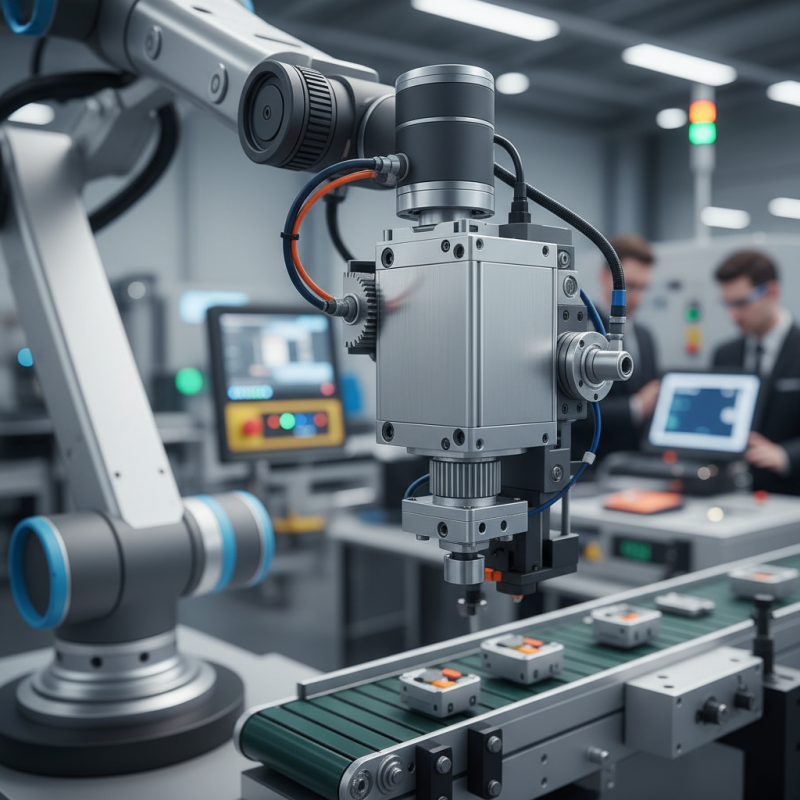

Why Choose a 180 Rotation Rotary Actuator for Your Projects?

The choice of components in engineering projects can make or break functionality. One component that stands out is the 180 Rotation Rotary Actuator. This actuator is designed to offer precise control for various applications. Its ability to rotate up to 180 degrees makes it versatile and reliable.

Integrating a 180 Rotation Rotary Actuator into a project can streamline operations. This actuator is commonly used in robotics, automation, and manufacturing. Its compact size does not compromise its power. However, while this actuator can solve many challenges, it may not be the best fit for every situation. Engineers must carefully evaluate their needs.

In some cases, the actuator's limit of rotation may pose a problem. Projects requiring wider motion will need additional solutions. This element of trial and error is part of the process. Yet, the 180 Rotation Rotary Actuator remains a strong contender for many, offering both efficiency and precision. Choosing the right actuator can lead to innovative breakthroughs.

Why Choose a 180 Rotation Rotary Actuator for Your Projects?

Benefits of 180 Rotation Rotary Actuators in Automation Projects

In automation projects, 180 rotation rotary actuators offer unique advantages. They provide precise control over various applications. These actuators simplify mechanisms, making complex movements easier. Their compact design allows them to fit in tight spaces. This is essential for modern engineering needs.

Tips: When selecting an actuator, consider the load requirements. A unit that’s too small can underperform. Too large, and it may waste energy or space.

These actuators also enhance speed and efficiency. By achieving quick rotations, they reduce cycle times in assembly lines. This can lead to increased productivity. However, it’s vital to match speed with torque. Finding the right balance can be a challenge.

In practical use, testing under real conditions is crucial. The actuator might work well in theory but fail in a specific task. Regular maintenance checks are necessary as wear can affect performance. A small oversight can lead to bigger issues down the line. Always allow room for adjustments and improvements.

Key Applications of 180 Rotation Rotary Actuators in Industry

In various industrial applications, 180 rotation rotary actuators play a crucial role. They excel in tasks where precise motion is necessary. For instance, in the automotive sector, these actuators facilitate the movement of valves in engines. Reports indicate that nearly 40% of automotive manufacturers use such actuators for their efficiency and reliability. They allow for quick adjustments, improving overall vehicle performance.

Another significant application is in automated manufacturing lines. Here, 180 rotation rotary actuators control the position of robotic arms. These devices ensure that products are assembled correctly and efficiently. A study revealed that assembly line productivity increased by 25% with the integration of rotary actuators. Yet, there are challenges. If not calibrated properly, actuators can cause misalignment, impacting production negatively.

In food processing, 180 rotation rotary actuators automate packaging processes. They handle bags and containers swiftly. Statistics show that the food industry has seen a 30% reduction in processing time with these systems. However, hygiene remains a concern. Actuators must be designed carefully to avoid contamination. Overall, while 180 rotation rotary actuators enhance efficiency in multiple sectors, their implementation requires thorough consideration to avoid potential pitfalls.

Technical Specifications and Performance Metrics of Rotary Actuators

When selecting a rotary actuator, the 180-degree rotation option is highly advantageous for various projects. These actuators are categorized by their technical specifications, including torque, speed, and response time. According to industry reports, a typical 180-degree rotary actuator can achieve a torque range of 5 to 50 Nm. This makes them suitable for applications requiring precision and reliability.

The performance metrics of rotary actuators vary significantly based on their construction. Some actuators can complete a full rotation in under one second. This rapid response can enhance operational efficiency in automation systems. Additionally, many models offer IP ratings, indicating their durability against dust and water. The choice of materials is equally crucial; lightweight materials often enhance performance but may compromise longevity.

Consider also the limitations of these actuators. For instance, the small range of motion might not suit every application. If your project demands a full 360-degree rotation, a 180-degree actuator won't suffice. Engineers must weigh these aspects carefully. A detailed analysis of performance can lead to better decision-making. Always ensure to align actuator specifications with the project's unique requirements.

Comparative Analysis: 180 Rotation vs. Other Rotary Actuator Types

Rotary actuators play a crucial role in automation and robotics. Among the various types available, 180 rotation rotary actuators stand out for their versatility. They provide a full 180-degree movement, making them suitable for many applications, from industrial machinery to hobby robotics. In contrast, other rotary actuators may offer limited rotation, which can restrict their use. According to industry reports, 180 rotation actuators account for over 30% of the market share, highlighting their popularity.

A comparative analysis reveals key advantages. For example, 180 rotation actuators tend to have higher torque capabilities. This feature allows them to perform demanding tasks more efficiently. Other rotary types may lack this benefit, leading to performance gaps. Furthermore, 180 rotation actuators often have a more compact design. This saves valuable space in tight installations. However, they might require precise control systems, which can increase complexity.

Tips: When considering actuator types, evaluate your required range of motion. How much torque do you need? Will space constraints impact your choice? Be mindful of the balancing act between performance and complexity. Sometimes, an overly powerful actuator may not fit your specific needs. Taking a moment to reflect on these aspects can lead to better decision-making for your projects.

Market Trends and Future Prospects for Rotary Actuator Technology

The market for rotary actuator technology is evolving rapidly. Industries are increasingly prioritizing efficiency and precision in their equipment. A 180-degree rotation actuator meets these demands effectively. Compact and robust, they can operate in tight spaces and harsh conditions. This trend reflects a broader shift toward automation in manufacturing processes. Companies are looking to enhance productivity without compromising quality.

The rise of robotics in various sectors is noteworthy. As robots handle more tasks, the need for reliable actuators grows. Engineers must consider actuator specifications carefully. An actuator’s torque, speed, and response time directly impact system performance. Designers should balance these parameters based on project requirements.

Tips: Choose actuators that are compatible with existing systems. Pay attention to weight and size, as they can affect installation. Constantly evaluate market options to stay ahead of the curve. Remember, not every actuator is suitable for every application. Test and validate before making a decision. Embrace the learning process to refine your choices.