
Cosmetic Packaging
Display Packaging
CBD Packaging
Retail Packaging
Product Packaging
Cigarette Packaging
Candle Packaging
Soap Packaging
Chocolate Packaging
Vape Packaging
Food Packaging
Gift Packaging
Bakery Packaging Boxes
Pizza Packaging
Bottle Packaging
Garments Packaging
Custom Printed Bags
Christmas Packaging
Toy Packaging
Cereal Packaging
Jewelry Packaging
Apparel Packaging
Shipping Packaging
Custom Pre Roll Boxes
Dispenser packaging
Eco Friendly Packaging
Custom Health Packaging
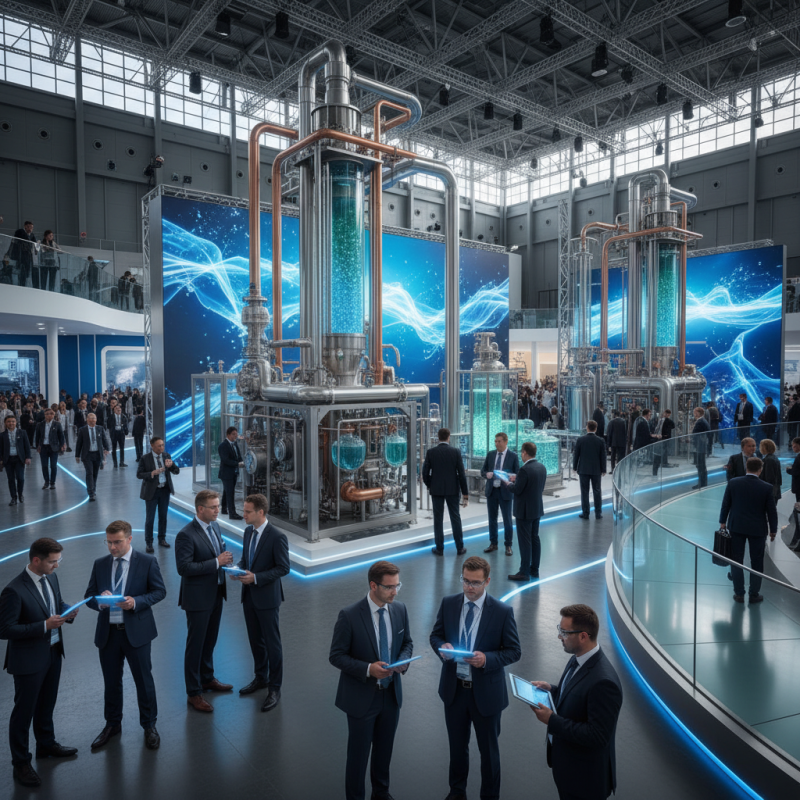
Pharmaceutical PackagingThe 2026 Canton Fair promises to showcase China's top-tier Desulfurization Equipment to a global audience. Scheduled from April 15 to May 5, this event is set to redefine industry standards. The fair includes three phases, focusing on various sectors including advanced manufacturing and machinery. Exhibitors are poised to offer innovative solutions for air pollution control, a critical area of concern worldwide.
Attendees can leverage the new AI-driven search and navigation features. These tools allow buyers to find vendors who meet specific qualifications, such as ISO and CE certifications. This results in more efficient navigation through the expansive exhibition space of 1.55 million square meters. The introduction of these technologies aims to enhance the experience of sourcing Desulfurization Equipment.
While the event is expected to attract significant interest, questions remain. Will the innovations presented truly meet global environmental standards? How effectively will these solutions be communicated to international buyers? As the fair approaches, participants are encouraged to reflect on these challenges.
China has emerged as a significant player in the global desulfurization equipment market. Recent reports highlight that China's market share reached approximately 30% in 2023. This rise reflects the country's robust manufacturing capabilities and investment in environmentally friendly technologies. As industries worldwide face stricter emissions regulations, the demand for effective desulfurization solutions has surged.
At the forefront of China's contributions are advancements in scrubber technology. These systems are designed to remove sulfur compounds from industrial exhaust gases. A 2022 industry analysis indicated that the global market for desulfurization technologies is expected to exceed $15 billion by 2026. China is actively adapting to international standards, but challenges remain. Some domestic manufacturers have struggled to meet advanced technical specifications required in various regions.
Furthermore, China’s export potential in this sector is notable. However, quality control issues have occasionally tarnished its reputation. Reports suggest that many buyers encounter inconsistent product performance. Addressing these challenges is crucial for sustaining China's growth in the desulfurization equipment market. Enhanced collaboration with global partners may help refine product quality and expand market reach effectively.
Desulfurization is a crucial technology in reducing emissions. At the upcoming 2026 Fair, global buyers will explore advanced options. Different technologies are available to address sulfur dioxide emissions from various industries. The most common methods include wet scrubbing systems, dry sorbent injection, and catalytic processes.
At the upcoming 2026 Fair, Chinese manufacturers will present cutting-edge desulfurization equipment. This technology is crucial for industries aiming to reduce harmful emissions. Many visitors will discover solutions that meet international environmental standards.
Among the notable exhibitors, several companies are known for their innovation. They focus on reliability and efficiency. Attendees can expect live demonstrations of products that showcase real-world applications. This provides insight into how these systems work in practice. Some might wonder about the long-term effectiveness of these solutions.
While the equipment offers significant benefits, there are limitations. Some technologies may require large initial investments. Buyers must weigh the costs against the potential environmental impact. Reflecting on previous fairs, manufacturers have improved their offerings. However, challenges remain in scaling these technologies globally.
As the world focuses on environmental protection, the demand for effective desulfurization equipment is rising. This equipment plays a crucial role in reducing sulfur emissions from industries. Innovations are shaping the future of these technologies. Modern designs are becoming more efficient and user-friendly.
New trends are emerging in the realm of materials used in desulfurization processes. Lightweight composites are increasingly replacing traditional metals. These materials offer better resistance to corrosion, enhancing lifespan and efficiency. However, these new solutions come with challenges. Testing and quality assurance remain areas needing improvement.
Another innovation is the integration of smart technology. Automation can optimize performance and reduce human error. Real-time monitoring systems provide valuable data for operators. Yet, not all companies are equipped to implement these advanced features. Investment in training is necessary for effective use. Desulfurization methods are evolving. Keeping pace with these changes is essential for global buyers.
| Equipment Type | Capacity (MW) | Efficiency (%) | Emission Reduction (tons/year) | Price Range (USD) |
|---|---|---|---|---|
| Wet Scrubber | 200 | 95 | 5000 | 50,000 - 100,000 |
| Dry Scrubber | 150 | 92 | 4000 | 40,000 - 90,000 |
| Fluidized Bed Reactor | 300 | 97 | 6000 | 70,000 - 120,000 |
| Absorption Tower | 250 | 93 | 4500 | 60,000 - 110,000 |
| Plasma Technology | 350 | 99 | 8000 | 80,000 - 130,000 |
As the world grapples with pollution, regulatory standards become increasingly crucial. Countries are setting stringent requirements for emissions, pushing industries to adopt better desulfurization solutions. This change impacts not only manufacturers but also global buyers seeking effective equipment.
At the upcoming fair in 2026, we anticipate diverse desulfurization technologies. Buyers should be prepared to explore innovations, yet it's essential to reflect. Some solutions may not fully meet regulatory demands. Technologies can vary widely, and not all equipment will provide the required efficiency. Many existing methods need improvement to keep pace with evolving regulations.
Furthermore, the relationship between regulation and innovation remains complex. While some regulations stimulate advancements, they can also limit options for buyers. Cost is a significant factor; many premium solutions may not fit every budget. Striking a balance between cost, compliance, and efficiency will be key. Buyers must engage in thorough evaluation to ensure they choose the right equipment for their needs.
© 2007 - 2025 The Custom Packaging. All right reserved.