
Cosmetic Packaging
Display Packaging
CBD Packaging
Retail Packaging
Product Packaging
Cigarette Packaging
Candle Packaging
Soap Packaging
Chocolate Packaging
Vape Packaging
Food Packaging
Gift Packaging
Bakery Packaging Boxes
Pizza Packaging
Bottle Packaging
Garments Packaging
Custom Printed Bags
Christmas Packaging
Toy Packaging
Cereal Packaging
Jewelry Packaging
Apparel Packaging
Shipping Packaging
Custom Pre Roll Boxes
Dispenser packaging
Eco Friendly Packaging
Custom Health Packaging
Pharmaceutical PackagingIn today's competitive market, the presentation of products is crucial. Display boxes play a significant role in attracting consumers and enhancing brand identity. These boxes are more than just packaging; they are a powerful marketing tool. A well-designed display box can draw attention from afar, guiding potential customers to your products.
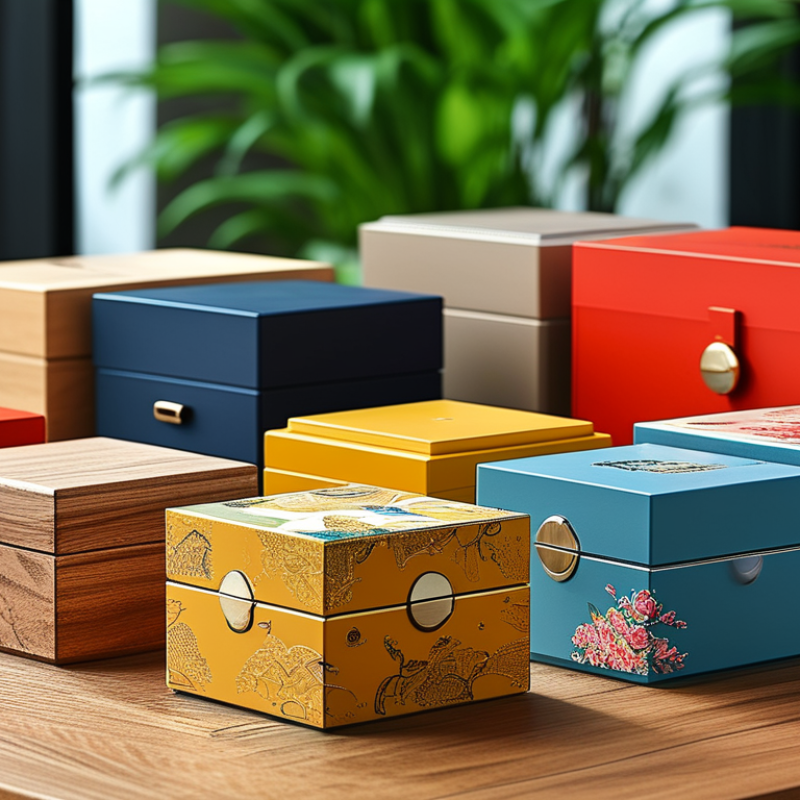
China offers an array of innovative display boxes that stand out. These boxes are crafted from various materials, ensuring durability and visual appeal. Vibrant colors, unique shapes, and engaging designs are just some features that make them special. Brands must consider their target audience when choosing a design.
However, not all display boxes meet the high standards of quality and effectiveness. Some may lack creativity or fail to convey the brand message. It’s important to reflect on what works and what doesn’t. Investing in the right display boxes can significantly impact sales. Reassessing your packaging strategy may lead to better results in consumer engagement.
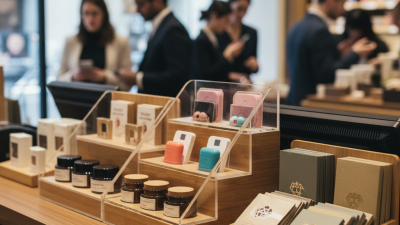
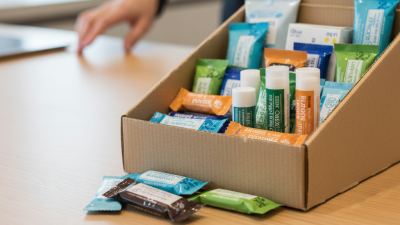
Display boxes have gained immense popularity in China, especially in retail and e-commerce. Their ability to enhance product visibility is a crucial factor. Effective design captures attention, making it easier for consumers to choose. Bright colors and unique shapes stand out on shelves and online platforms.
Another contributing factor is consumer behavior. Today's shoppers appreciate aesthetically pleasing packaging. The first impression often dictates buying decisions. Display boxes not only protect products but also convey brand identity. However, some designs may overlook practicality for aesthetics. Brands might need to reconsider this balance.
Sustainability is also becoming vital. Eco-friendly materials are preferred by many consumers. Display boxes made from recycled materials can increase a brand’s appeal. Yet, not all brands have embraced this shift. The challenge lies in aligning sustainability with design effectiveness. This evolving trend requires constant reflection and adaptation.
When it comes to display boxes, the choice of materials plays a crucial role. Many manufacturers favor cardboard for its versatility and cost-effectiveness. Cardboard is lightweight yet sturdy. It can be easily printed on, allowing vibrant colors and branding elements to shine. However, it may not be suitable for moisture-prone environments.
Acrylic is another popular choice. It offers a sleek, modern appearance. This transparent material allows customers to see products clearly, enhancing visual appeal. Yet, acrylic can be more expensive and scratches easily. Additionally, it requires proper maintenance to keep it looking pristine.
Wood is favored for its durability and natural look. It gives a premium vibe, attracting those who appreciate craftsmanship. The downside? Wooden boxes can be heavy and may not be ideal for all products. Understanding these materials can guide your choice in display boxes.
Innovative designs in display boxes significantly enhance product presentation. Craftsmanship plays a crucial role in creating these boxes. When materials are chosen carefully, they add texture and attractiveness. For instance, a combination of transparent plastic and matte finishes can create eye-catching contrasts. This delicate balance draws customers in and encourages them to explore the product further.
Colors are another vital factor. Bright, vivid colors can evoke emotional responses. They can grab attention even in a crowded market. But, it’s essential to ensure the colors align with the brand identity. Overly bright colors can sometimes overshadow the product, leading to confusion. Effective use of space in the design is equally important. Minimalistic designs can make products look sleek and modern. However, they can also feel cold if not balanced with warmth and personality.
Functionality should never be overlooked. Display boxes should reflect ease of use. Poorly designed boxes may frustrate customers and detract from the product experience. A tight-fitting lid can keep items secure, but if it’s too rigid, it might turn people away. The challenge lies in finding that sweet spot where design meets functionality, enhancing the overall package. Keep all these aspects in mind when thinking about display boxes. Each element can make a notable difference in how a product is perceived.
Customization plays a crucial role in enhancing the appeal of display boxes. Unique designs capture attention quickly. A well-crafted display box tells a story about the product inside. It becomes a silent salesman, communicating value and purpose.
Different materials and finishes can elevate a box's attractiveness. Options range from matte to glossy, each conveying a unique message. Shapes can be adjusted to fit various product dimensions, creating a memorable unboxing experience. However, it's essential to balance customization with practicality. An overly intricate design might complicate production or increase costs unnecessarily.
Engaging customers through personalization can create a stronger emotional connection. Consumers often prefer items that feel tailored for them. Custom boxes can include logos or messages, enhancing brand identity. Still, there's a risk of miscommunication. If the design doesn't resonate with the target market, it can backfire. Therefore, thoughtful consideration and research must guide customization decisions.
In today's market, sustainability plays a crucial role in display box production. Many manufacturers are shifting towards eco-friendly materials. This not only helps the environment but also enhances brand reputation. Consumers increasingly prefer products that showcase environmental responsibility.
Using recycled materials is one effective approach. It reduces waste and conserves resources. Look for companies that prioritize renewable sources. This choice reflects a commitment to sustainability. However, not all recycled materials perform equally well. Researching material quality is essential.
Tip: When selecting display boxes, consider their life cycle. Think about the entire journey from production to disposal. Design for reuse or recycling can make a significant difference.
Another vital factor is the manufacturing process. Energy consumption during production is often overlooked. Some facilities utilize renewable energy sources. This practice minimizes carbon footprint. It’s worth evaluating the production methods of your suppliers.
Tip: Ask suppliers about their energy practices. Understanding their commitment to sustainability helps in making informed decisions. It can lead to partnerships aligned with your values.
Ultimately, the display box you choose should reflect both quality and sustainability. Prioritizing eco-friendly options can set your products apart. Consider how your choices impact both the market and the environment.
© 2007 - 2025 The Custom Packaging. All right reserved.