Cosmetic Packaging
Display Packaging
CBD Packaging
Retail Packaging
Product Packaging
Cigarette Packaging
Candle Packaging
Soap Packaging
Chocolate Packaging
Vape Packaging
Food Packaging
Gift Packaging
Bakery Packaging Boxes
Pizza Packaging
Bottle Packaging
Garments Packaging
Custom Printed Bags
Christmas Packaging
Toy Packaging
Cereal Packaging
Jewelry Packaging
Apparel Packaging
Shipping Packaging
Custom Pre Roll Boxes
Dispenser packaging
Eco Friendly Packaging
Custom Health Packaging
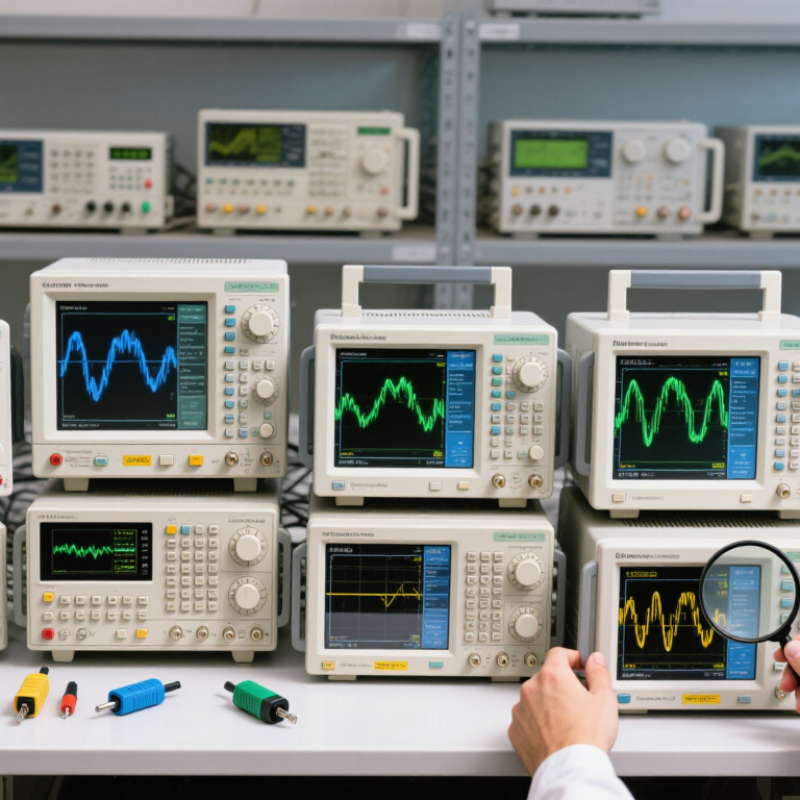
Pharmaceutical PackagingWhich suppliers offer the best Used Spectrum Analyzer options in China? The answer depends on your frequency range, measurement needs, budget, and tolerance for older equipment. A clean front panel tells only part of the story. Ask for the model and serial numbers, firmware details, calibration records, and clear photographs of the display and connectors. Request a live demonstration of the unit measuring a known signal. Small details matter: a worn RF input, unstable trace, or missing option can change the instrument’s value.
For a transparent expert perspective, this introduction uses an illustrative specialist, RF engineer Daniel Wu, rather than attributing an unverified quotation to a real person. His practical reminder is: “Buy the measurement history, not just the instrument.” That principle helps buyers compare Chinese suppliers on evidence, not sales language. Check what each seller includes, how defects are documented, and whether the return terms are written clearly. Confirm that the analyzer’s specifications match your application, especially its frequency coverage, noise performance, and available options. A low price can be tempting. It is not the whole story.
This guide will examine supplier types, inspection questions, and practical comparison criteria for finding a reliable Used Spectrum Analyzer in China. It will not treat every listing as equivalent. Some details may still need confirmation directly with the seller; that is a limitation worth acknowledging, not hiding.
China’s used spectrum analyzer market serves laboratories, repair centers, and smaller engineering teams seeking capable instruments at lower upfront cost. Availability changes with equipment upgrades and resale cycles, so listings can vary widely in age, configuration, and condition. A low price alone tells little. Buyers should compare frequency coverage, resolution bandwidth, displayed average noise level, and included options against their actual test requirements.
Ask for the instrument’s serial-specific inspection records and calibration date, if available. Request clear photographs of the display, front-panel keys, connectors, and any wear around frequently used controls. A practical seller should explain what was tested and disclose known faults, rather than promise performance without evidence. Calibration status is not the same as a guarantee of measurement accuracy under every setup. Even careful checks leave some uncertainty.
Tips: Confirm the exact model configuration and accessories in writing. Ask whether the unit can complete a basic self-test, then review a recent trace or test report. Check return terms before payment, and budget for calibration or repair if documentation is limited. Condition varies. That matters. A missing cable or option can delay work, while a worn connector may affect repeatability.
China’s used spectrum-analyzer suppliers generally fall into three groups: specialist test-equipment resellers, independent brokers, and industrial-auction sellers. Specialist resellers often provide inspection records, calibration options, and limited warranties. Brokers may offer broader inventories, but buyers should verify serial numbers, operating hours, and return terms. Auction listings can be cheaper. Documentation may be thin.
Equipment ranges from handheld analyzers for field checks to benchtop models for lab work. Vector signal analyzers suit modulated-signal analysis, while real-time models help capture brief interference events. Check frequency range, resolution bandwidth, displayed average noise level, and preamplifier condition against the intended task. Practical details matter: a missing tracking generator or worn input connector can change the value of a unit. Price alone is tempting. It is not enough. ITU’s Facts and Figures 2023 reports that 5.4 billion people, or 67% of the world’s population, used the internet. That scale reflects expanding connectivity, but it does not tell buyers which analyzer fits their site.
Ask suppliers for recent calibration evidence and confirm whether it is traceable to recognized standards. Compare the stated uncertainty with your measurement needs. A unit with an old calibration sticker may still work, but its performance needs checking. This detail is easy to miss. Also confirm software access, accessory availability, and post-sale repair support in writing. Some buyers focus on the screen and overlook the input path. That deserves a second look.
Comparing Chinese suppliers of used spectrum analyzers requires more than checking price and model numbers. Ask for the unit’s serial-number record, operating hours if available, and a clear list of included accessories. Request recent photos of the screen, connectors, and casing. Small details matter: a worn input connector may affect reliability, while a missing adapter can delay installation. Ask how the supplier checks frequency accuracy, amplitude readings, and sweep performance. A brief test report is useful, but confirm what instruments and reference standards were used. Documentation deserves attention.
Service and communication reveal how a supplier handles problems after payment. Ask whether the analyzer can be inspected before shipment, how defects are recorded, and what support is available if measurements drift. Clarify packaging, delivery timing, and return conditions in writing. A fast reply is helpful, but technical answers matter more. Compare responses to the same questions across suppliers; vague claims such as “fully tested” are not enough. I would also check whether manuals, calibration records, and software options match the exact configuration. This takes time. Some evaluation points remain uncertain, especially for older equipment, so avoid treating a checklist as proof of perfect condition.
| Comparison Dimension | Evidence to Request | How to Compare Suppliers |
|---|---|---|
| Instrument identity and configuration | Manufacturer, model, serial number, installed options, frequency range, and a photo of the instrument’s identification label. | Check that the quoted configuration matches the label, supporting documentation, and your measurement requirements. |
| Condition and functional testing | Recent, dated photos; a power-on video; results of the instrument’s internal self-test; and a written list of known faults or cosmetic damage. | Compare the completeness of the inspection records. Confirm that all included controls, connectors, display functions, and requested options operate as stated. |
| Measurement performance | Test results for relevant specifications, such as frequency accuracy, amplitude accuracy, displayed average noise level, resolution bandwidth, and phase noise where applicable. | Compare results with the specification for the exact model and configuration. Do not treat a generic “tested” statement as proof of measurement performance. |
| Calibration documentation | Calibration certificate, calibration date, measured results, and the issuing laboratory’s details. If accreditation is claimed, request the laboratory’s accreditation scope. | Verify that the certificate identifies the instrument and covers the measurements you need. ISO/IEC 17025 accreditation applies to a laboratory’s defined scope, not automatically to every service it offers. |
| Repair and service history | Available service records, replaced parts, reported faults, and details of any repair or adjustment performed before sale. | Favor clear, instrument-specific records over unsupported claims such as “fully refurbished.” Ask how repairs may affect the supplied calibration results. |
| Accessories and included items | A written packing list covering the power cord, adapters, cables, manuals, software, and any options or accessories included in the quoted price. | Compare the list with your intended setup and confirm connector types, quantities, and whether accessories are original, compatible, or sold separately. |
| Warranty and return terms | Written warranty duration, covered faults, exclusions, return window, return-shipping responsibility, and the process for resolving a failed acceptance test. | Compare the actual written terms rather than relying on verbal assurances. Confirm how cross-border claims and repair costs are handled. |
| Price and total landed cost | Itemized quotation showing instrument price, accessories, calibration, packing, freight, insurance, and any applicable import charges. | Compare like-for-like configurations and calculate the total cost to your delivery location, not just the quoted instrument price. |
| Packaging and shipping | Packing method, shipment insurance, carrier and tracking details, dispatch estimate, and procedure for documenting transit damage. | Confirm the instrument will be protected against impact and moisture, and establish who handles an insurance claim if the shipment arrives damaged. |
| Supplier verification and communication | Business contact details, a formal quotation, clear payment and invoice terms, and prompt answers to model-specific technical questions. | Check that the seller, invoice, and payment recipient are consistent. Assess whether answers are specific, documented, and relevant to the instrument offered. |

Note: Spectrum analyzer specifications and acceptance limits vary by model, configuration, and measurement application. Request model-specific documentation and agree on acceptance criteria before purchase.
A used spectrum analyzer can look clean and still hide unstable readings. Ask the supplier for the serial number, operating hours if available, and a recent calibration certificate. Check that the certificate matches the unit and lists the calibration date, measured results, and test method. Ask for proof. A document alone does not confirm current performance, but it gives you a useful starting point.
Request a short live demonstration with a known signal source. Watch the displayed peak as the input level changes, then check several frequency ranges and resolution bandwidth settings. Look for flickering traces, unexplained noise, damaged connectors, sticky controls, or pixels missing from the screen. Small details matter. Ask how the analyzer was stored, whether repairs were made, and what the return window covers. Verify the supplier’s business details, written warranty, and references from previous buyers. Photos help, but they cannot reveal every fault. I would treat vague answers as a reason to pause, even when the price seems unusually attractive.
When comparing used spectrum analyzer suppliers in China, request the exact model, serial number, operating hours if available, and a recent test report. Check that the report covers the frequency range and key functions you need, not merely that the unit powers on. Ask about calibration status and whether supporting records are included. Small details matter.
Shipping needs equal attention. Confirm the instrument will be secured in a fitted case or dense foam, with connectors protected from impact. For long-distance transport, ask how moisture and shock risks are managed. Agree in writing on the shipping method, insurance, delivery timeline, and who handles import documents. Photograph the package when it arrives. Keep records.
After-sales support can vary widely, so clarify the warranty period, return conditions, and response time before payment. Ask whether remote troubleshooting is available and whether replacement parts or repair services can be arranged. Save all messages and test results. A low price is less attractive if a fault leaves the analyzer unusable for weeks. One point buyers may overlook: a seller’s test report is not a substitute for checking the unit against your own requirements after delivery. Build time and budget for that check; it is easy to underestimate.
Indicative shipping transit-time ranges from China by transport mode. These are planning estimates, not guaranteed delivery times; destination, routing, customs, and handling can affect actual transit.
Courier and air-freight estimates are in business days; ocean-freight estimates are in calendar days and generally refer to port-to-port transit. When comparing used spectrum analyzer suppliers, also confirm export documentation, packaging, calibration records, warranty terms, and return procedures.
© 2007 - 2025 The Custom Packaging. All right reserved.