
Cosmetic Packaging
Display Packaging
CBD Packaging
Retail Packaging
Product Packaging
Cigarette Packaging
Candle Packaging
Soap Packaging
Chocolate Packaging
Vape Packaging
Food Packaging
Gift Packaging
Bakery Packaging Boxes
Pizza Packaging
Bottle Packaging
Garments Packaging
Custom Printed Bags
Christmas Packaging
Toy Packaging
Cereal Packaging
Jewelry Packaging
Apparel Packaging
Shipping Packaging
Custom Pre Roll Boxes
Dispenser packaging
Eco Friendly Packaging
Custom Health Packaging
Pharmaceutical PackagingThe demand for efficient and reliable road repair solutions is growing as global infrastructure ages. In 2022, the global market for road construction and repair reached approximately $165 billion, with a projected growth rate of 4.5% annually. This uptick underscores the importance of advanced technologies, such as the Road Repairing Machine, which are essential for maintaining safe and efficient road networks.
Road Repairing Machines are pivotal in ensuring that infrastructure keeps pace with urban growth. High-quality machines, like asphalt pavers and road patchers, are designed to enhance repair speed and durability. However, buyers must remain vigilant. Not all machines offer the same reliability or durability. Choosing the right equipment can significantly impact project outcomes and budget constraints.
As the industry evolves, manufacturers are increasingly focusing on sustainability. The integration of eco-friendly practices is crucial. Innovations in road repair equipment not only improve efficiency but also reduce environmental impacts. Potential buyers should carefully evaluate machines, considering both performance metrics and manufacturer reputation to ensure they invest wisely.
When it comes to road repairing machines, understanding the types and features can greatly aid in making informed decisions. Road repair equipment varies widely in capabilities and design. Some machines focus on pothole repair, while others specialize in surface resurfacing. Understanding the specific tasks each type can perform is crucial for selecting the right one.
Different machines feature unique technologies. For instance, thermal patching units use heat to restore asphalt, ensuring a long-lasting bond. On the other hand, cold patch equipment is more portable, making it perfect for quick repairs in various locations. Machine versatility can be a double-edged sword. While multifunctional machines save costs, they may lack specialized efficiency in certain tasks.
Choosing the right road repairing machine involves assessing job requirements and terrain types. A machine suitable for urban pothole repairs may not perform well in rural areas with deep cracks. Moreover, training operators to use these machines efficiently often proves challenging. Keeping an eye on new advancements is essential, as technology evolves rapidly and necessitates adaptation in methods.
The global demand for road repair equipment is on the rise. According to a recent report by MarketWatch, the road repair equipment market is projected to grow at a CAGR of 5.2% from 2023 to 2030. This indicates a robust increase in infrastructure investment worldwide. Countries are prioritizing the renovation of aging roads, which drives the need for advanced repair technologies.
Market trends show a shift towards more sustainable and efficient machines. The emphasis on eco-friendly materials and energy-efficient operations is becoming critical. Governments are setting stricter emissions regulations. This has led many manufacturers to innovate and adapt their machines accordingly. For instance, increasingly, machines are designed to reduce noise pollution and improve fuel efficiency.
However, challenges remain. Many regions still rely on outdated equipment, which can lead to inefficient repairs and increased costs. There is a clear gap between technology availability and actual adoption in the field. Training personnel to handle new machines is often overlooked. This can hinder the effectiveness of investments in new technologies. Enhancing operator skills is as important as the machines themselves in ensuring road repair success.
In the road repairing machines industry, key manufacturers set the standard. Their expertise shapes the tools used worldwide. These leaders focus on innovation and efficiency. They strive to enhance productivity while meeting safety standards.
Not all machines yield the same results. Some brands prioritize weight and power, while others emphasize precision and ease of use. A heavy machine may be more stable but also harder to maneuver. A lighter machine could offer greater flexibility but sacrifice some durability. Buyers face the challenge of finding the right balance.
The growing demand for these machines highlights the need for reliability. Manufacturers aim to provide quality equipment, but variations still exist. Performance can differ based on terrain and application. It’s crucial to consider these factors when exploring options. Prospective buyers should research thoroughly. Understanding the nuances can help avoid costly mistakes.
The landscape of road maintenance is evolving rapidly. New technologies are transforming how we repair and maintain our roads. Among the most significant advancements are automated machines that reduce manual labor. These machines can swiftly detect surface issues and respond accordingly. They often use sensors and computers to assess conditions accurately. These innovations lead to quicker repairs, minimizing traffic disruptions.
Moreover, eco-friendly solutions are gaining traction. Machines are being designed with sustainability in mind. They utilize recycled materials, which help reduce waste. This step is vital in addressing environmental concerns. However, the adaptation of such technologies can be challenging. Many workers must be retrained to operate new machinery efficiently. The learning curve can be steep, and this reflects a larger issue within the industry.
Investing in advanced road repair technology offers numerous advantages. Enhanced efficiency, combined with better outcomes, is undeniable. Yet, the initial costs can be intimidating for many municipalities. It's essential to weigh those costs against long-term benefits. As the road repair landscape continues to change, flexibility and innovation will be key. Adapting to these advancements is not just an option. It's becoming essential for maintaining our ever-growing infrastructure.
When considering road repairing machines, cost analysis is vital for buyers. Pricing trends in the industry fluctuate based on technology and demand. Newer models with advanced features often come at a premium. However, older models can offer value without high costs. Many buyers overlook the total ownership cost, which includes maintenance and operational expenses.
Budgeting for road repair machinery requires careful planning. A machine may seem affordable upfront but can become costly in the long run. Buyers should research average lifespan and durability. Some machines may perform well initially but fall short over time. Additionally, features that seem beneficial might not always yield high returns on investment.
Investing in road repair equipment isn’t just about purchase price. Consider training for operators. Effective use of machinery can optimize performance. Also, factor in potential downtime for repairs. Balancing initial costs with long-term benefits is crucial. Reflecting on these aspects can lead to smarter purchasing decisions.
| Machine Type | Average Cost (USD) | Key Features | Recommended Usage |
|---|---|---|---|
| Cold Mix Patcher | $18,000 | Portable, Easy to Operate, Effective for Minor Repairs | Local Roads, Potholes |
| Asphalt Distributor | $50,000 | Precision, Large Capacity, Adjustable Spraying Width | Highways, Large Area Repairs |
| Road Grader | $150,000 | Versatile, High Efficiency, Excellent for Surface Finishing | Road Construction, Maintenance |
| Paving Machine | $200,000 | Automated, High Output, Smooth Finish | Major Road Projects, High Traffic Areas |
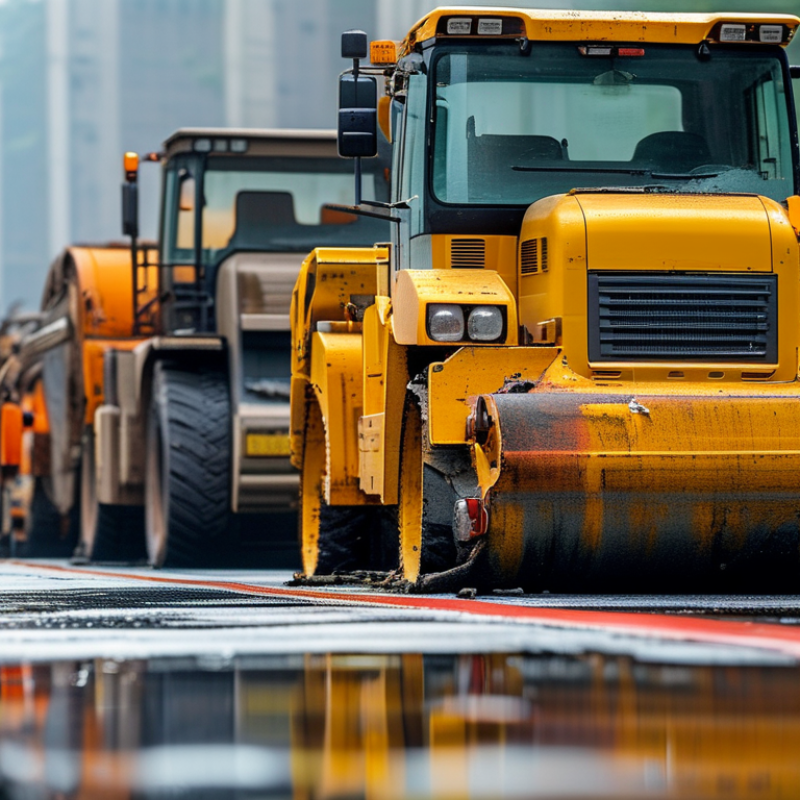
| Road Roller | $75,000 | Heavy Duty, Effective Compaction, Durable | Finalizing Road Surface, Layer Compaction |
© 2007 - 2025 The Custom Packaging. All right reserved.