
Cosmetic Packaging
Display Packaging
CBD Packaging
Retail Packaging
Product Packaging
Cigarette Packaging
Candle Packaging
Soap Packaging
Chocolate Packaging
Vape Packaging
Food Packaging
Gift Packaging
Bakery Packaging Boxes
Pizza Packaging
Bottle Packaging
Garments Packaging
Custom Printed Bags
Christmas Packaging
Toy Packaging
Cereal Packaging
Jewelry Packaging
Apparel Packaging
Shipping Packaging
Custom Pre Roll Boxes
Dispenser packaging
Eco Friendly Packaging
Custom Health Packaging
Pharmaceutical PackagingIn today's competitive market, brand differentiation is crucial. One effective way to stand out is through personalized packaging boxes. According to a recent report by Technavio, the global custom packaging market is projected to reach $54.2 billion by 2026. Personalization drives consumer engagement, increasing both brand loyalty and sales. Studies show that 72% of consumers prefer products with customized packaging.
Personalized packaging boxes do more than protect products. They offer an opportunity to tell a brand's story. Every detail, from color to material, can evoke emotions. However, brands must reflect on their choice and style. Not every design choice resonates positively with every customer. Limited options can lead to missed opportunities for deeper connections.
Moreover, sustainability is key. Many consumers favor eco-friendly packaging. Brands must balance aesthetics with environmental impact. Companies must ask if their packaging choices truly align with their values. As personalization becomes more prominent, reflection on both impact and intention is essential. This is not merely a trend; it's a way to forge deeper connections with consumers.
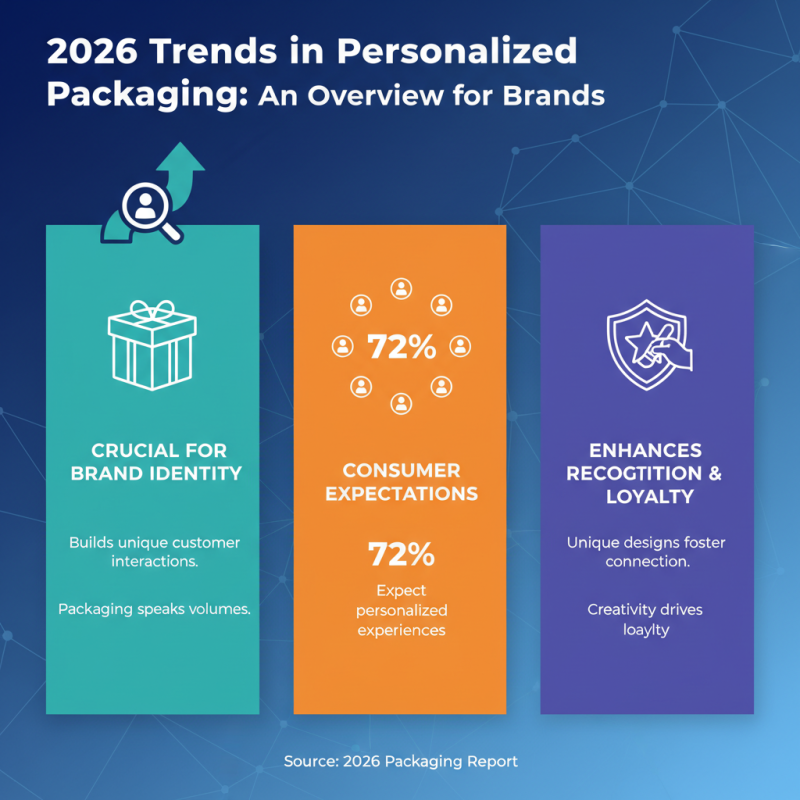
In 2026, personalized packaging is crucial for building brand identity. A recent report indicates that 72% of consumers expect brands to offer personalized experiences. This trend emphasizes the importance of packaging in creating unique customer interactions. Brands that use unique designs can enhance recognition and loyalty, speaking volumes through creativity.
Moreover, eco-friendly materials are gaining traction. About 61% of consumers prefer brands that use sustainable packaging. Companies are now adopting recyclable and biodegradable options. This shift aligns with the growing concern for environmental impact. Yet, many brands still struggle to strike a balance between personalization and sustainability.
Innovative printing technologies enable brands to create eye-catching designs. Data shows that custom packaging can increase purchase intent by 50%. However, many still underestimate the power of packaging. It’s not just a container; it's a brand ambassador. The challenge lies in maintaining quality while personalizing at scale. Embracing this dual demand requires careful planning and execution.
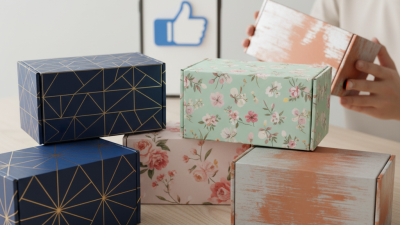
Custom packaging plays a vital role in shaping brand identity. It’s not just a box; it’s a statement. Unique designs attract attention. They communicate values and storytelling. A well-crafted package can differentiate a brand in a crowded market. Colors, textures, and shapes matter. They evoke emotions and memories. Effective custom packaging creates a bond with customers.
When designing custom boxes, keep a few tips in mind. Simple designs can be powerful. Less is more sometimes. Consider your target audience. What do they appreciate? Incorporate sustainable materials. Eco-friendly options reflect modern values. They build trust and loyalty. A thoughtful approach goes a long way.
Packaging mistakes can be costly. A poorly designed box may confuse customers. Avoid cluttered visuals. Aim for clarity. Your brand message should stand out. Don't forget about functionality. Packaging must protect products during transit. A balance of aesthetics and practicality is essential.
Consumer preferences are shifting toward personalized packaging solutions. Recent statistics indicate that 60% of consumers feel more connected to brands that offer customized packaging. This connection often stems from the perceived attention to detail. When a package reflects personal touches, it enhances the unboxing experience.
However, not all brands leverage this potential. Many still rely on generic packaging, risking disengagement from modern consumers. A staggering 40% of shoppers reported a preference for brands that stand out in their packaging choices. This highlights a gap in the market for creative solutions. Brands may overlook the importance of design, thus failing to resonate with potential customers.
Furthermore, there is an evolving expectation for sustainability in packaging. Nearly half of consumers prefer packaging made from eco-friendly materials. While some brands do adopt greener practices, many still use conventional materials. This oversight could alienate environmentally conscious shoppers. As preferences continue to evolve, brands need to adapt their packaging strategies to keep up.
| Packaging Type | Consumer Preference (%) | Impact on Purchase Decision (%) | Importance of Customization (%) |
|---|---|---|---|
| Eco-friendly Boxes | 72% | 68% | 85% |
| Luxury Gift Boxes | 65% | 75% | 80% |
| Custom Printed Boxes | 78% | 70% | 90% |
| Biodegradable Packaging | 70% | 65% | 88% |
| Reusable Packaging | 68% | 60% | 76% |
In 2026, personalized packaging is evolving in exciting ways. Innovative materials are transforming how brands connect with customers. Eco-friendly options, like biodegradable plastics, offer sustainable choices. These materials break down easily and reduce environmental impact. More brands are opting for renewable resources, which helps attract eco-conscious consumers.
Using unique textures and finishes can boost the visual appeal of boxes. Think about velvet-like surfaces or matte finishes that enhance tactile experiences. A well-designed package can create memories for customers. Keep in mind, though, that some materials might not align with your brand's image. Reflect on what message your packaging conveys.
Tips: Consider using plant-based inks for printing. This not only adds a unique touch but is also environmentally friendly. Test multiple designs to see what resonates with your audience. Don't hesitate to explore unconventional shapes—consumers love surprises!
The competitive landscape of packaging is rapidly evolving. A recent industry report highlights that tailored packaging can reduce material waste by 30%. This efficiency not only benefits the environment but also enhances brand image. Today, customers prefer brands that prioritize sustainability. This has become a key factor in their buying decisions.
Moreover, personalized packaging has shown to improve customer retention rates by up to 60%. A study indicates that brands offering unique packaging experiences see higher repeat purchases. This approach creates a stronger emotional connection with customers. It leads to higher conversion rates over time. Yet, there are potential downsides. Some brands may struggle to balance cost with customization. Finding the right manufacturer can also be daunting.
Evaluating the true cost-effectiveness of tailored packaging is essential. Brands need to analyze their production budgets carefully. While investing in custom packaging can be beneficial, the initial costs may deter some businesses. The challenge lies in striking a balance between personalization and cost.
© 2007 - 2025 The Custom Packaging. All right reserved.