
Cosmetic Packaging
Display Packaging
CBD Packaging
Retail Packaging
Product Packaging
Cigarette Packaging
Candle Packaging
Soap Packaging
Chocolate Packaging
Vape Packaging
Food Packaging
Gift Packaging
Bakery Packaging Boxes
Pizza Packaging
Bottle Packaging
Garments Packaging
Custom Printed Bags
Christmas Packaging
Toy Packaging
Cereal Packaging
Jewelry Packaging
Apparel Packaging
Shipping Packaging
Custom Pre Roll Boxes
Dispenser packaging
Eco Friendly Packaging
Custom Health Packaging
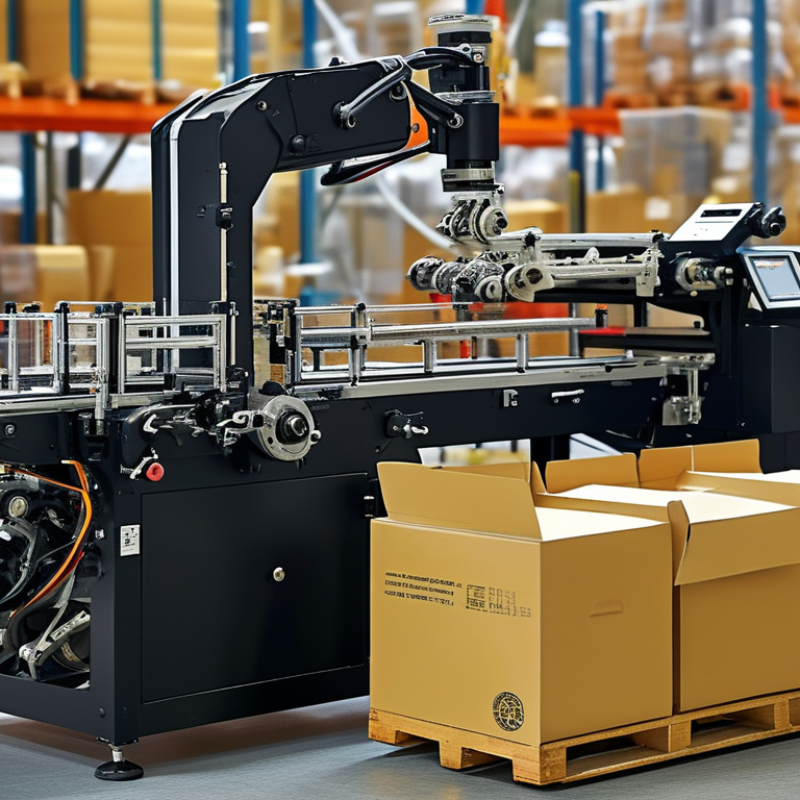
Pharmaceutical PackagingIn today's fast-paced market, the demand for an efficient Packaging Label Machine is rising rapidly. Companies strive to enhance productivity while ensuring product quality. Selecting the right machine can feel overwhelming due to numerous options available globally. Key factors include functionality, speed, and adaptability.
Investing in a quality Packaging Label Machine is crucial for maintaining brand integrity. A reliable machine can streamline operations, but not all models fulfill expectations. Global buyers must assess aspects such as user-friendliness and maintenance needs. A machine that simplifies the labeling process is invaluable.
While numerous machines boast advanced features, not every option is suitable for every business. Understanding specific requirements can lead to better choices. Ultimately, the goal is to find a machine that aligns with both operational needs and budget constraints. Balancing these elements is essential for achieving long-term success in packaging.
The packaging label machine market is continuously evolving. Manufacturers aim to improve efficiency and accuracy. This trend benefits businesses looking to optimize their labeling process. Systems now support various materials and shapes, accommodating diverse product needs. Many machines offer advanced features, such as automatic labeling and integration with existing production lines.
Labeling technology can be intricate. The selection process can overwhelm new buyers. Factors like speed, precision, and compatibility with packaging design are crucial. Not every machine fits every use case. Some buyers have expressed regret over choosing models that do not meet their operational demands. Research and reviews can provide insights but may not capture every flaw.
As environmental concerns rise, many companies seek machines that work with eco-friendly materials. These innovations reduce waste while maintaining labeling quality. However, navigating this landscape can be tricky. Some options may still lead to confusion about capabilities. Understanding machine specifications and real-world performance requires careful assessment. Potential buyers should seek expert opinions and consider long-term implications when investing.
When selecting the right label machine, several key features should be prioritized. Speed is essential. A machine's output rate can vary significantly. According to recent industry reports, the best machines can label up to 300 bottles per minute. This efficiency is crucial for high-demand production lines.
Another critical aspect is the machine's adaptability. Label sizes and materials differ widely across industries. A versatile machine that can handle various label formats ensures you are not locked into a single option. Many businesses find that flexibility often leads to cost savings.
Accuracy is another vital feature. An error in labeling can lead to considerable waste and compliance issues. Research has shown that machines with advanced sensors and inspection systems can boost accuracy to over 99%. However, investing in high-precision systems requires careful evaluation of upfront costs vs. potential losses from errors.
In 2026, the demand for packaging label machines continues to rise. This trend reflects the increasing importance of efficient labeling in various industries. These machines are essential for streamlining production and ensuring product compliance. Many top manufacturers are leading this market with innovative technology and reliable solutions.
A few key players in the industry focus on enhancing automation. This shift is crucial as businesses aim to minimize labor costs and improve precision. Brands now offer machines capable of high-speed label applications. These systems adapt easily to different product types, a necessity in diverse manufacturing environments. However, some manufacturers still struggle with maintaining quality amidst rapid production speeds.
Sustainability is another pressing concern. Companies are exploring eco-friendly materials for labels and packaging. While progress is notable, there remains room for improvement in minimizing waste. Additionally, the complexities of regulatory standards challenge many manufacturers. Navigating these requirements requires expertise, yet not all producers meet the mark. Investing in skilled talent could benefit those seeking to enhance their operational standards.
When considering label machines for 2026, performance and price are key. A comprehensive analysis reveals notable differences in features. Some machines excel in speed, printing quality, and durability. Others may lack reliability but have a lower price point. Buyers must weigh these factors carefully.
An efficient label machine should offer flexibility for various label sizes and materials. It’s essential to analyze user reviews and expert opinions. Look for machines that balance efficiency and cost-effectiveness. While a lower price may seem appealing, consider the long-term operational costs. You may need to replace cheaper models more frequently, which adds hidden expenses.
Not all label machines suit every business need. Customization options vary significantly. Some users report frustration with complex setups. It's crucial to prioritize machines that simplify the labeling process. A device that initially appears perfect might not meet future needs, making adaptability a critical component in your selection.
| Model | Max Speed (Labels/min) | Labeling Precision (%) | Compatibility (Material Types) | Price Range (USD) |
|---|---|---|---|---|
| Model A | 120 | 99 | Paper, Plastic | $5,000 - $7,000 |
| Model B | 150 | 98 | Glass, Metal | $6,000 - $8,500 |
| Model C | 100 | 97 | Plastic, Paper | $4,000 - $6,000 |
| Model D | 200 | 99.5 | All Materials | $7,500 - $10,000 |
| Model E | 80 | 95 | Biodegradable | $3,500 - $5,000 |
The landscape of packaging label technology is rapidly evolving. According to recent industry reports, the global labeling equipment market is projected to grow by 5.0% through 2025. This growth reflects an increased demand for automation in production lines. Manufacturers are prioritizing speed and accuracy. Smart labeling solutions are becoming more common as companies seek to enhance user interaction.
With advancements in digital printing, customization is now easier. Businesses can produce high-quality labels with varied designs on demand. Recent studies indicate that about 60% of consumers prefer personalized packaging experiences. This statistic shows the importance of adapting to customer preferences in real-time. However, the adoption of such technologies must be balanced with cost efficiency.
Sustainability is another trend shaping the industry. More companies are focusing on eco-friendly materials. A report from the Packaging Institute suggests that around 35% of global consumers are willing to pay more for sustainable packaging. This shift presents a challenge for manufacturers. They must innovate while ensuring operations remain affordable. Embracing this change could pave the way for more responsible packaging solutions in the future.
© 2007 - 2025 The Custom Packaging. All right reserved.