
Best Nylon Insulated Terminal What You Need to Know?

In the world of electrical connections, choosing the right components is crucial. "Nylon Insulated Terminal" is one such component that offers many benefits. According to industry expert John Smith, "The right terminal can enhance safety and reliability." This means that selecting quality terminals is not just a preference; it's a necessity.

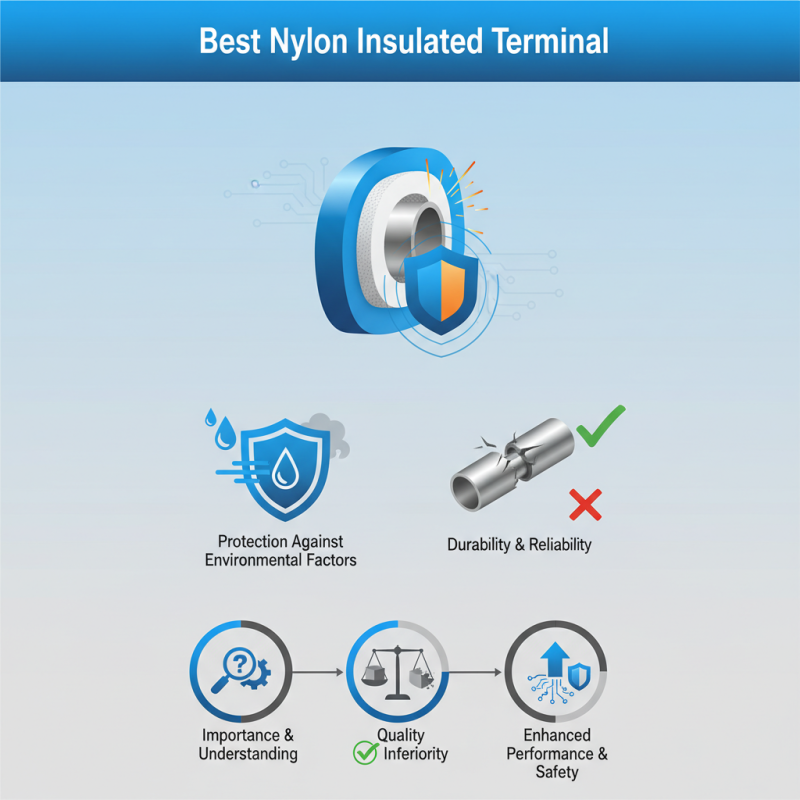
Nylon insulated terminals provide protection against environmental factors. They resist moisture and reduce electrical hazards. However, not all nylon terminals are created equal. Some may lack durability, while others might not fit well in specific applications. These factors can lead to unreliable connections, causing frustration and potential safety risks.

Understanding the importance of nylon insulated terminals is essential. While they seem simple, their quality can make a significant difference. It’s crucial to choose wisely and review the options thoroughly. This will help avoid pitfalls that may come from inferior products. Quality should never be compromised, as it directly affects overall performance. Always consider the details.

Best Nylon Insulated Terminal What You Need to Know?

Understanding Nylon Insulated Terminals and Their Benefits

Nylon insulated terminals play a critical role in electrical connections. They protect wires and ensure a stable connection. Their durability makes them popular in various applications. According to a recent industry report, nylon insulated terminals can withstand temperatures up to 105°C. This high rating helps prevent failures in harsh conditions.

One of the major benefits of nylon insulation is its resistance to moisture and chemicals. This feature is essential in environments where exposure to water or solvents is common. Studies show that these terminals can maintain integrity under such conditions. However, not all nylon insulated terminals are created equal. Variability in quality is a concern. Some terminals may degrade faster than others.

Furthermore, proper installation is key to avoiding issues. Misconnections can lead to overheating and failures. A well-fitted nylon insulated terminal can enhance system reliability. Yet, it's vital to consider the application and environment. Careful selection can lead to significant long-term benefits. Still, users need to be aware of potential compatibility issues. It’s not just about choosing a terminal; it’s about ensuring it fits the specific electrical demands.

Key Features to Look for in Nylon Insulated Terminals

When choosing nylon insulated terminals, there are critical features to consider. One essential aspect is temperature resistance. Nylon terminals typically withstand heat up to 105°C (221°F). However, some products may fail under extreme conditions. Look for specifications to ensure they perform well in various environments.

Another factor is the compatibility with wire sizes. Nylon insulated terminals are available for multiple wire gauges. Ensuring the terminal matches the wire size prevents loose connections. According to industry data, incorrect sizing can lead to circuit failure in 25% of cases. This statistic underscores the importance of proper fit in electrical applications.

Durability influences performance too. Nylon is generally more resistant to various chemicals than PVC. However, not all nylon terminals are created equal. Some might degrade in harsh conditions, affecting their lifespan. Research shows that terminals engineered for specific applications last longer. So, reviewing product ratings and user feedback can help identify reliable options.

Common Applications for Nylon Insulated Terminals

Nylon insulated terminals are crucial in many industries. Their durability and resistance to heat make them preferred in electrical applications. According to recent industry reports, over 40% of electrical contractors favor nylon insulation for its superior performance in diverse environments.

Common applications include automotive wiring, where terminals must endure vibrations and temperature fluctuations. In this sector, nylon insulated terminals help reduce connection failures. Data shows that connections using nylon terminals can withstand up to 120 degrees Celsius, outperforming other materials.

In industrial settings, these terminals are vital for machinery and equipment. They ensure secure connections while protecting against moisture and chemicals. However, some users report challenges during installation. Misalignment can lead to loose connections, compromising efficiency. Proper training is essential for optimal use. Administrator oversight is crucial to enhance installation practices.

How to Properly Install Nylon Insulated Terminals

Proper installation of nylon insulated terminals is crucial for electrical systems. Start by gathering the right tools: wire strippers, crimping tools, and a heat source if heat-shrink insulation is used. Choosing the right size terminal is important. Too large or small terminals can cause connectivity issues. It is essential to ensure that the wire fits snugly inside the terminal for a solid connection.

Stripping the wire requires caution. Too much wire exposure can lead to short circuits. A quarter-inch of exposed wire is often enough. When crimping, apply steady pressure, but avoid over-crimping. Over-crimped terminals can damage the wire strands. If you find the connection too loose, it may be wise to start over. Inspect each connection visually. Look for any exposed wire that might lead to future failures.

Heat-shrink terminals provide extra protection from moisture. Heat them properly, but don’t overdo it. Too much heat can damage the terminal. Ensure the insulation covers all exposed wiring. It’s easy to miss details, leading to costly mistakes. Take your time, double-check everything, and remember that rushing might lead to oversights.

Best Nylon Insulated Terminal What You Need to Know? - How to Properly Install Nylon Insulated Terminals

Feature Description Installation Tips
Material Nylon, known for its durability and resistance to heat. Ensure terminals are dry and free from debris before installation.
Color Coding Typically available in various colors to indicate wire sizes. Match colors to wire gauge specifications for proper connections.
Temperature Range Can withstand temperatures up to 105°C (221°F). Avoid exposing to extreme temperatures during installation.
Connection Type Can be crimped or soldered for secure connections. Use appropriate tools for crimping to avoid loose connections.
Application Widely used in automotive, marine, and electronic applications. Select terminals based on application requirements for optimal performance.

Maintenance Tips for Longevity of Nylon Insulated Terminals

Nylon insulated terminals are popular for their durability and reliability. To ensure they last, maintenance is key. One vital tip is to regularly inspect the terminals. Look for signs of wear or damage. A simple visual check can save you time and effort later.

Cleaning the terminals is also important. Use a soft, dry cloth to remove dirt and debris. Accumulated grime can lead to corrosion. It's easy to overlook this step, but it can greatly impact performance. Ensure the connection points remain free from moisture.

Lastly, don't ignore the importance of correct installation. Misalignment can cause problems when it comes to electrical flow. A well-installed terminal will function much better. Pay attention during this process, even if it feels tedious. Small mistakes can lead to bigger issues down the line.