
Best New Label Materials for Global Sourcing Opportunities?

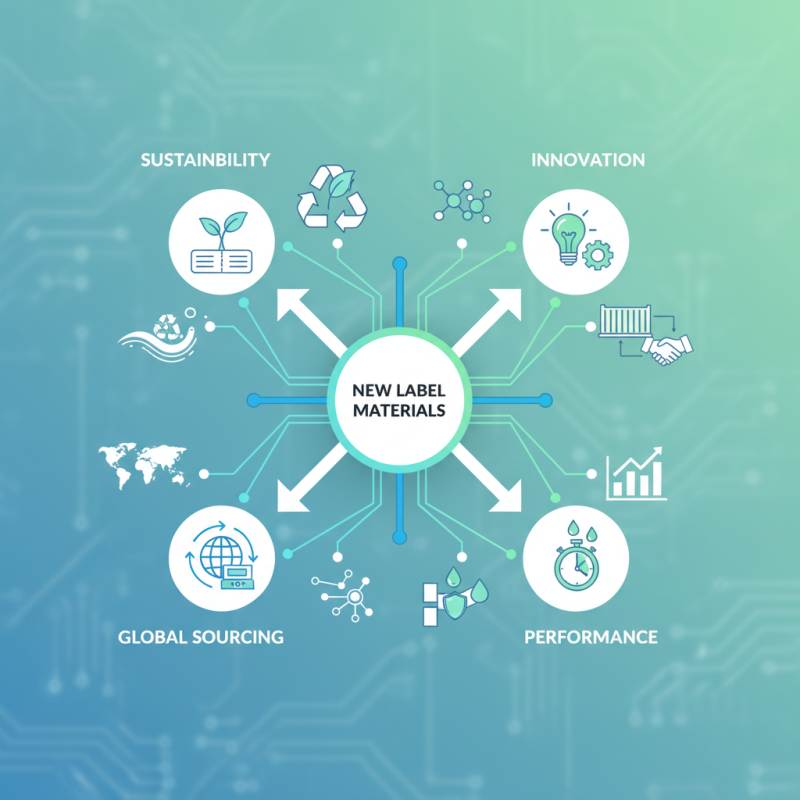
In the dynamic world of global sourcing, the exploration of New Label Materials is pivotal. As companies strive for better sustainability and innovation, the demand for advanced labeling solutions has surged. These materials not only enhance product visibility but also align with eco-friendly practices.

Many ventures have faced challenges in sourcing these innovative materials. Market awareness remains inconsistent, leading to missed opportunities for efficiency. For instance, the rise of biodegradable labels offers a glimpse into this evolving landscape. Yet, companies often struggle to identify reliable suppliers. Understanding the intricacies of New Label Materials is essential for industry leaders.

Innovation in labeling goes beyond appearance. It involves studying the properties and performance of these materials. As brands become increasingly conscientious, examining the environmental impact of labels is crucial. Embracing new technologies can help. However, achieving a balance between quality and sustainability requires ongoing review and adaptation. The journey towards optimal sourcing of New Label Materials is complex, yet rewarding.

Best New Label Materials for Global Sourcing Opportunities?

Emerging Label Materials: Trends Impacting Global Sourcing

Emerging label materials are reshaping global sourcing dynamics. Sustainability continues to be a significant driver. Materials made from plant-based sources are gaining traction. These alternatives often reduce carbon footprints substantially. Recyclable and biodegradable options are evolving. However, their cost and performance can vary.

The rise of digital printing technology requires compatible materials. Brands seek labels that support vibrant designs while being functional. Challenges remain in sourcing digital-ready materials. It’s essential to evaluate the reliability of these innovations. Collaboration with suppliers can bridge the gap.

There’s a growing interest in smart labels. These labels often incorporate technology for tracking and information. They can enhance product visibility but come with complexities. Implementing these materials alongside traditional processes poses a challenge. Adapting to changing regulations is crucial too. The evolving landscape demands constant vigilance and adaptation.

Sustainability in Label Materials: A Growing Demand in the Market

Sustainability in label materials is reshaping the market. Manufacturers face a growing demand for eco-friendly options. Consumers are becoming increasingly aware of environmental impacts. This awareness drives companies to prioritize sustainable practices.

Biodegradable and compostable materials are gaining traction. These options reduce landfill waste and minimize pollution. However, the transition to these materials can be challenging. Some suppliers struggle with sourcing these innovative materials at scale.

It’s crucial to balance sustainability with performance. Some eco-friendly materials may not achieve the same durability as traditional labels. This inconsistency can lead to concerns about labeling failures. Companies must invest in research and development. Finding reliable suppliers who can provide both sustainability and quality is vital.

Innovative Technologies Driving Label Material Development

The evolution of label materials is driven by innovative technologies that meet modern challenges. Developments in biodegradable substrates are paving the way for sustainable labeling solutions. These materials reduce environmental impact, appealing to eco-conscious consumers.

Advancements in adhesive technology enhance bond strength and versatility. New formulations allow labels to adhere to various surfaces and withstand different conditions. This adaptability is essential for the fast-paced market. Furthermore, digital printing technologies enable customization, reducing lead times and waste. Flexibility in design promotes creativity and brand recognition.

However, not all innovations are flawless. The transition to new materials can pose challenges. Manufacturers must assess performance in real-world applications carefully. Balancing cost and sustainability remains a critical concern. As the industry evolves, ongoing experimentation is crucial to refine these materials. The focus should be on creating reliable solutions that align with both consumer needs and environmental goals.

Supply Chain Considerations for Sourcing New Label Materials

Sourcing new label materials involves careful planning and analysis. Companies must consider various factors in their supply chain. One key aspect is the environment. Sustainability has become a priority for brands. Choosing eco-friendly materials can enhance brand reputation. However, sourcing these materials may be complex. Limited suppliers might lead to higher costs.

Communication is essential in the sourcing process. Companies should engage with potential suppliers early. Clear expectations help mitigate risks. It's important to assess quality consistently, as some suppliers may not meet standards. Receiving samples can provide insights into material properties. Sometimes, materials may fall short of expectations, requiring adjustments.

Logistics also play a vital role. Understanding shipping times and costs can prevent delays. Disruptions in travel can affect timelines. Proper forecasting can ease these challenges, ensuring that new materials arrive when needed. Regular reviews of supplier performance may reveal areas for improvement. Embracing flexibility within sourcing strategies can help navigate uncertainties.

Case Studies: Successful Adoption of New Label Materials in Industry

In recent years, industries have seen a shift towards innovative label materials. The growing demand for sustainability has led many companies to explore eco-friendly alternatives. For instance, a recent report highlighted that the global bio-label market is projected to grow at a CAGR of 7.5% by 2025. This suggests a significant opportunity for companies to adopt new materials.

Case studies reveal that several companies have successfully integrated new label materials into their operations. One case involved a packaging firm that switched to compostable labels. This transition decreased their plastic usage by 30%. Additionally, consumer responses were overwhelmingly positive, with reports showing a 40% increase in customer satisfaction. Such shifts not only enhance brand image but also contribute to environmental sustainability.

Tip: When considering new materials, assess both performance and environmental impact. Also, keep in mind the potential for higher initial costs. Conducting a thorough cost-benefit analysis can provide clarity. Testing new materials before full-scale implementation may prevent costly production issues. Small adjustments can lead to meaningful improvements in sustainability.