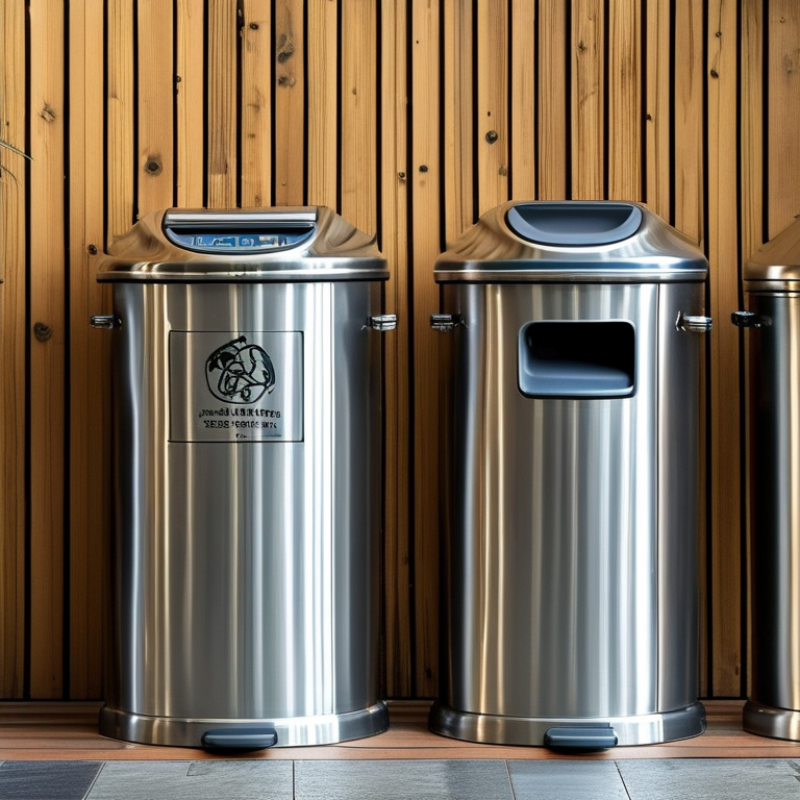
2026 Best Metal Waste Receptacles for Efficient Waste Management?
Efficient waste management is crucial for both residential and commercial spaces. Key to this process is the choice of appropriate waste receptacles. Among various options, Metal Waste Receptacles stand out for their durability and strength. They are built to withstand harsh conditions and heavy usage.
When selecting metal waste receptacles, consider style, size, and placement. These receptacles can enhance aesthetics while serving functional purposes. However, without proper maintenance, even the best products may succumb to wear and tear. Regular inspections can extend their lifespan and effectiveness.
In the quest for optimal waste management, individual needs must also be addressed. Choosing the right metal waste receptacles involves reflection on specific demands. This process can often reveal where improvements are needed. Each facility or setting requires tailored solutions to achieve true efficiency.
Overview of Metal Waste Receptacles in 2026
As we move into 2026, metal waste receptacles continue to play a vital role in waste management. Their durability and strength make them a preferred choice in various settings. In urban environments, these receptacles withstand harsh weather conditions, ensuring long-term use. They also offer a sleek aesthetic that complements public spaces, enhancing overall community appeal.
However, there are challenges with metal waste receptacles that warrant consideration. While they are resistant to wear, they can become rusty if not maintained properly. Regular inspections and maintenance are necessary to keep them in optimal condition. Additionally, their weight can be a disadvantage in locations requiring frequent relocation. Finding the right balance between sturdiness and mobility is crucial for effective waste management.
Moreover, the design of these receptacles impacts their efficiency. Features such as lids and openings must encourage proper waste disposal. Sometimes, poorly designed receptacles lead to littering and overflow issues. Engaging the community in design choices may improve their effectiveness. Moreover, incorporating feedback helps refine these crucial tools in waste management. By focusing on both functionality and design, communities can foster better waste disposal habits.
Key Features of Efficient Metal Waste Receptacles
When choosing metal waste receptacles, key features matter. Durability is essential. High-quality metal can withstand harsh outdoor conditions. Consider corrosion resistance to prolong lifespan. Some materials resist rust more effectively than others. This quality saves costs over time.
Another vital feature is capacity. A larger receptacle reduces the need for frequent emptying. Yet, size should be practical for the space available. If it’s too big, users may avoid disposal. Shape also plays a role. Sleek designs encourage proper waste disposal.
Accessibility is crucial too. Pedal mechanisms or open tops facilitate hands-free use. This promotes hygiene and convenience. Look for models with clear signage. It guides users on proper disposal methods. Reflecting on these features ensures efficient waste management. Each detail contributes to overall effectiveness.
2026 Best Metal Waste Receptacles for Efficient Waste Management
Comparative Analysis of Leading Brands in 2026
As we delve into the world of metal waste receptacles in 2026, it’s clear that various brands offer unique features. A comparative analysis reveals stark differences in design, durability, and user-friendliness. Some brands excel in aesthetic appeal, while others prioritize functionality or eco-friendliness. This diversity can create confusion for consumers looking to make informed decisions.
One key area to evaluate is the construction material. Metal waste receptacles can be made from stainless steel or other alloys. The choice affects longevity and maintenance. Some models resist harsh weather better than others, crucial for outdoor use. User reviews often highlight issues like rusting or difficulty in cleaning. It’s essential to consider these factors carefully before purchasing.
Another vital aspect is usability. Different receptacles have varied lid designs; some are pedal-operated while others feature swing tops. User feedback often points out how these designs impact convenience in public spaces. Observations show that poorly designed lids can lead to increased littering. Thus, the functionality of these receptacles is as crucial as their aesthetic appeal. Balancing style and practicality requires thoughtful consideration by both manufacturers and consumers.
Sustainability and Recycling Benefits of Metal Waste Bins
Metal waste receptacles offer significant sustainability and recycling benefits. Their durability allows for extended use, reducing the frequency of replacements. Unlike plastic bins, metal can withstand harsh conditions without degrading. This attribute makes them ideal for outdoor and industrial environments. Many organizations are now adopting metal bins to align with eco-friendly practices.
Recycling metal waste receptacles themselves is another crucial benefit. When a metal bin reaches the end of its life, it can be recycled entirely. This helps close the loop in waste management. However, not all communities effectively recycle these materials. There remains a critical gap in awareness. More education is needed to empower consumers and businesses about proper disposal methods.
The aesthetic appeal of metal waste bins is also noteworthy. They can be designed to fit various styles, enhancing the environment. But not all designs prioritize functionality. Some bins may lack adequate openings or proper signage for recyclables. This can lead to contamination of recyclable materials. Addressing these design flaws is essential for maximizing their efficiency.
2026 Best Metal Waste Receptacles for Efficient Waste Management
| Model | Capacity (Liters) | Material Type | Recyclability | Price (USD) |
| Model A | 50 | Stainless Steel | Yes | 125 |
| Model B | 100 | Galvanized Steel | Yes | 200 |
| Model C | 75 | Aluminum | Yes | 150 |
| Model D | 30 | Steel | Yes | 80 |
| Model E | 60 | Recycled Steel | Yes | 110 |
Best Practices for Using Metal Waste Receptacles Effectively
When it comes to effective waste management, metal waste receptacles stand out. They are durable and can withstand harsh conditions. To maximize their utility, keeping them clean is essential. Regular maintenance helps prevent odor and unsightly waste buildup.
Placement of metal receptacles also plays a significant role. Position them in high-traffic areas for better accessibility. However, it's important to ensure they do not obstruct pathways. Educating users about proper disposal methods can further enhance their effectiveness. Clear signage can guide people on what items to discard and where.
Despite their benefits, challenges persist. Some individuals may misplace waste, leading to contamination. Regular training and community awareness programs can address this issue. Encouragement and involvement from the community can create a sense of ownership. Making waste disposal a collective responsibility may yield positive results.

 Cosmetic Packaging
 Display Packaging
 CBD Packaging
 Retail Packaging
 Product Packaging
 Cigarette Packaging
 Candle Packaging
 Soap Packaging
 Chocolate Packaging
 Vape Packaging
 Food Packaging
 Window Packaging Boxes
 Gift Packaging
 Bakery Packaging Boxes
 Pizza Packaging
 Bottle Packaging
 Garments Packaging
 Custom Printed Bags
 Christmas Packaging
 Toy Packaging
 Cereal Packaging
 Jewelry Packaging
 Apparel Packaging
 Shipping Packaging
 Custom Pre Roll Boxes
 Dispenser packaging
 Eco Friendly Packaging
 Custom Health Packaging
 Pharmaceutical Packaging