
2026 Best Machine Vision Inspection Solutions for Quality Control?

In today's manufacturing landscape, quality control is paramount. Machine Vision Inspection plays a critical role. It uses advanced technology to detect defects and ensure product reliability. This method can significantly reduce human error and streamline processes.

Many companies are adopting Machine Vision Inspection systems. These systems improve efficiency and save costs. However, integrating new solutions isn’t always smooth. Some businesses face challenges in setup and training. The technology may not always align perfectly with existing workflows.

While Machine Vision Inspection offers many benefits, it isn’t flawless. Issues like lighting variations and camera positioning can affect results. Companies must continually adapt and optimize these systems. Balancing technology and human oversight is essential for success.

2026 Best Machine Vision Inspection Solutions for Quality Control?

Overview of Machine Vision Inspection Technologies for Quality Control

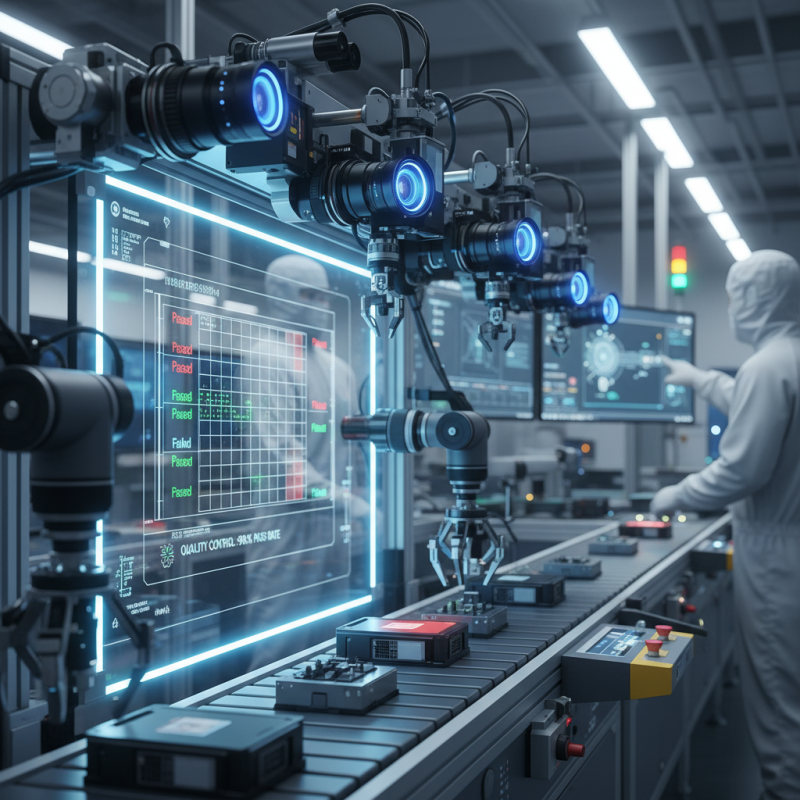
Machine vision inspection technologies are revolutionizing quality control across various industries. These systems leverage high-resolution cameras and powerful algorithms to identify defects in products. Simple yet effective, they can detect scratches, misalignments, or color inconsistencies with remarkable precision. However, there can still be missed anomalies due to lighting issues or camera angles. This limitation calls for continuous refinement and adaptation of the technology.

Another key aspect is the integration of artificial intelligence. AI algorithms enhance the ability to learn from inspection data. They improve accuracy over time, identifying patterns that traditional methods might overlook. Yet, the reliance on AI also poses challenges. Training the models can be resource-intensive, and misjudgments can occur, leading to false positives or negatives. Companies must remain vigilant to ensure these systems meet quality standards consistently.

The future looks promising, but it is essential to acknowledge imperfections. Machine vision isn't foolproof. Regular maintenance and updates are crucial for optimal performance. Human oversight still plays a vital role in validating automated results. Embracing technology while recognizing its limits can lead to improved quality control practices and better outcomes.

Key Features of Effective Machine Vision Systems in Industry

In modern industries, machine vision systems play a crucial role in quality control. These systems use cameras and software to inspect products on the assembly line. They ensure that items meet established standards before reaching consumers. Key features include high-resolution imaging, real-time analysis, and adaptive learning capabilities.

Effective machine vision systems should be user-friendly. Operators must be able to adjust settings quickly as product lines shift. The software should also provide clear data analytics. This helps teams understand patterns and identify defects. Remember, a good system needs to evolve with the product changes in a factory.

Tip: Regularly update the system’s software. This will improve performance and address issues promptly.

Another crucial aspect is integration. The machine vision system must work with existing manufacturing equipment. It should not create bottlenecks in the workflow. Even the best systems can falter if they’re not properly synchronized.

Tip: Consider pilot testing a new vision system. This can reveal flaws before full implementation.

Mistakes can occur in programming or setup. Manufacturing teams must ensure accuracy in their configurations. Failure to do so could lead to overlooked defects. Regular training for staff is key to minimizing errors and optimizing performance.

Comparison of Top Machine Vision Solutions for Diverse Applications

Choosing the right machine vision inspection solution can be daunting. Different applications require specific features. For example, a system for electronics inspection might prioritize high-speed processing. Meanwhile, food quality control needs compliance with hygiene standards.


In evaluating various solutions, clarity is crucial. Look for systems with clear imaging capabilities. High resolution improves the ability to detect defects. However, even high-tech systems can struggle with certain tasks. Shadows and reflections may confuse sensors, leading to inaccurate inspections. A balance between technology and practical application is vital.


Tips: Test each system in real-world settings. This will reveal limitations that might not surface in demos. Additionally, consider the learning curve for your team. Training time and usability can impact the efficiency of the solution. Ultimately, an ideal machine vision inspection solution should fit seamlessly into your workload. Ensure it can adapt, as your needs may evolve over time.

Implementation Strategies for Machine Vision in Quality Control Processes

Implementing machine vision in quality control processes can be transformative but challenging. Many industries face significant hurdles during implementation. Job training is often overlooked. Employees need to understand how to use new technology effectively. A lack of proper training can lead to errors and decreased productivity.

Data integration plays a crucial role. It is essential to ensure that the machine vision system communicates effectively with existing systems. Costly mistakes can occur if data from different sources is not synchronized.
Regular maintenance checks are also vital. Systems may require fine-tuning over time. Ignoring this can lead to misaligned inspections.

Real-world trials help identify gaps. Testing in a controlled environment can highlight potential issues before full-scale rollout. Each industry may encounter unique problems that need addressing. Continuous assessment of results is necessary. Machine vision systems must evolve as production processes change. Regular feedback loops can help in refining these systems over time.

Future Trends in Machine Vision Technology for Enhanced Quality Assurance

Machine vision technology is rapidly evolving. In 2026, the focus will be on enhancing quality assurance in various industries. With advancements in artificial intelligence, these systems can detect defects more accurately. Enhanced algorithms will improve real-time inspections. However, implementing these technologies isn’t without challenges.

Organizations might face integration issues. Older systems may clash with new software. Employee training is another hurdle. Not everyone adapts quickly to technological shifts. Moreover, initial costs for advanced systems can be prohibitive. Companies need to weigh the benefits against these shortcomings carefully.

Despite these challenges, the potential is promising. Predictive analytics will play a vital role. Systems may foresee quality issues before they arise. Ultimately, the goal is to improve the production process. Better quality assurance can lead to reduced waste and higher customer satisfaction. It’s clear that as machine vision technology advances, businesses must stay proactive in their approach.