China Best Hydraulics Pump Physics Guide for Global Buyers?
In the realm of hydraulic engineering, understanding the intricacies of a hydraulic pump is vital. The topic of "гидравлический насос физика" delves into the fundamental principles that govern these powerful machines. This guide aims to enlighten global buyers about the essential aspects of hydraulic pumps.
One cannot overlook the significance of fluid dynamics and pressure management in harnessing the efficiency of hydraulic systems. A well-designed hydraulic pump should operate without excessive wear and energy loss. However, buyers often face challenges when assessing pump specifications and performance metrics.
The journey toward selecting the right hydraulic pump requires careful consideration. Buyers need to evaluate manufacturer credibility and product reliability. Misinformation can lead to poor decisions. Thus, acquiring knowledge on the physics behind hydraulic pumps is essential for making informed choices. As we explore these principles, remember that ongoing reflection and learning are key to mastering this complex field.
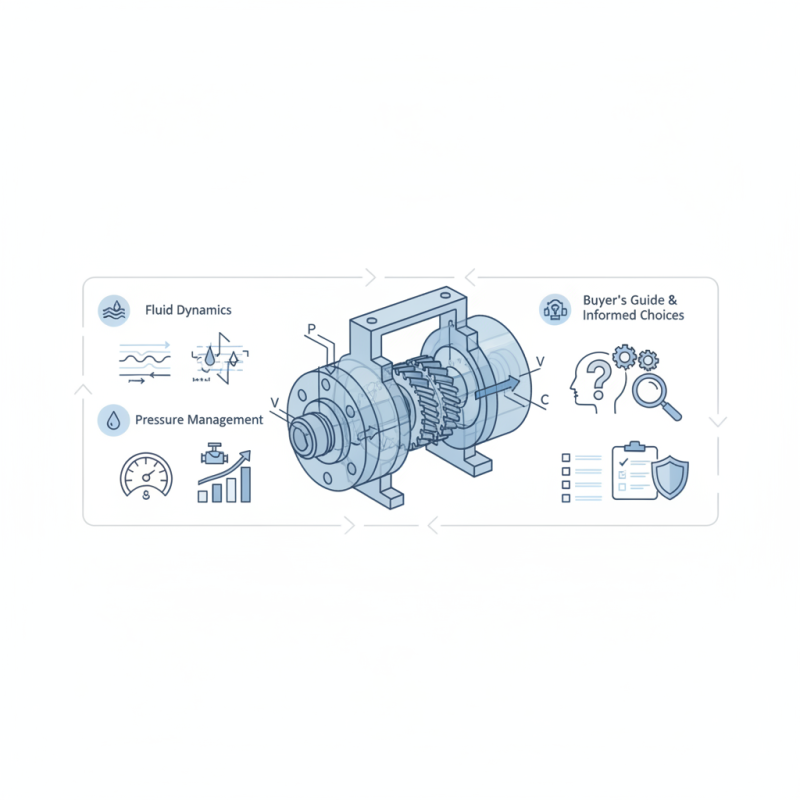
Overview of Hydraulic Pumps: Key Concepts and Applications
Hydraulic pumps are crucial in various industrial applications. Understanding their operation is key for optimal usage. These pumps convert mechanical energy into hydraulic energy. This transformation is vital in systems requiring force multiplication. Different types serve various needs, such as gear, vane, and piston pumps. Each type offers distinct advantages and limitations.
In practical applications, efficiency matters. For example, a poorly selected pump can lead to energy waste. Vibrations and noise can indicate issues. Regular maintenance prevents breakdowns and extends lifespan. Operators should be aware of fluid cleanliness, temperature, and viscosity. These factors significantly influence performance. Observing these details can mean the difference between smooth operation and costly repairs.
Choosing the right hydraulic pump is not straightforward. Buyers should consider flow rate, pressure capabilities, and installation space. Misjudgments can result in inadequate performance or excess costs. Gathering insights from experienced professionals can help in this process. It’s a learning experience that requires careful analysis and adjustment.
Types of Hydraulic Pumps Available in China: A Comparative Analysis
When examining hydraulic pumps available in China, buyers face various options. The primary types include gear, piston, and diaphragm pumps. Gear pumps are known for their compact design and efficiency. They work by using two gears to move fluid. This type is popular for low-pressure applications.
Piston pumps, on the other hand, offer higher pressure and flow rates. These pumps use reciprocating pistons to create pressure, making them suitable for heavy-duty tasks. However, they can be noisy and require more maintenance. Diaphragm pumps operate differently by using a flexible membrane. They excel in handling abrasive fluids but may not be as efficient at high pressures.
Choosing the right pump depends on specific application needs. Understanding flow rates and pressure requirements is crucial. Mistakes in selection can lead to underperformance or system failures. Buyers should carefully consider these factors before making a decision. Engaging with local experts can provide valuable insights. This approach fosters better choices, ultimately enhancing overall operational efficiency.
China Best Hydraulics Pump Physics Guide for Global Buyers
| Type of Hydraulic Pump | Working Principle | Advantages | Common Applications |
| Gear Pump | Uses gears to pump fluid by displacement. | Simple design, low cost, and reliable. | Oil and fuel transfer, low-pressure hydraulic systems. |
| Piston Pump | Uses a piston to convert mechanical energy into hydraulic energy. | High pressure and efficiency. | High-pressure hydraulic systems, construction equipment. |
| Vane Pump | Uses a set of vanes to pump fluid in a rotary motion. | Compact design and smooth operation. | Automotive applications, industrial machinery. |
| Gear Pump | Uses gears to pump fluid by displacement. | Simple design, low cost, and reliable. | Oil and fuel transfer, low-pressure hydraulic systems. |
Factors Influencing Hydraulic Pump Selection for Global Buyers
Selecting the right hydraulic pump is crucial for performance and efficiency. Several factors influence the choice for global buyers. Key aspects include flow rate, pressure rating, and fluid viscosity. According to industry reports, approximately 80% of hydraulic pump failures stem from incorrect specifications.
Fluid compatibility is another significant factor. Incompatible fluids can cause pump deterioration, leading to failure. Buyers should ensure that the selected pump material aligns with the hydraulic fluid in use. Reports indicate that failure due to fluid incompatibility can lead to costs exceeding 20% of annual maintenance budgets.
**Tip:** Always consult a hydraulic system expert when in doubt. Their insights can prevent costly mistakes.
Pump size and installation space also merit attention. A pump that is too large may lead to inefficient operation. Conversely, a small pump might not meet demands. Industry analyses suggest that proper calculation of hydraulic system requirements can reduce energy consumption by up to 30%.
**Tip:** Evaluate both the long-term needs and current applications. This holistic approach can lead to better pump selection.
Factors Influencing Hydraulic Pump Selection for Global Buyers
Essential Specifications and Performance Metrics for Hydraulic Pumps
When purchasing hydraulic pumps, understanding specifications is crucial for making informed decisions. Key metrics include flow rate, pressure rating, and efficiency. Flow rate, measured in liters per minute, indicates how much fluid the pump can move. This directly impacts performance in hydraulic systems.
Pressure rating tells you the maximum pressure the pump can handle. High-pressure capabilities are vital for applications requiring strength. Efficiency is about energy use. A high-efficiency pump consumes less power, ultimately saving costs.
Many buyers overlook the importance of these specifications. Make sure to assess your system's requirements. It’s also wise to consult with experts in hydraulics. Getting accurate data aids in choosing the right pump. Consider performance metrics alongside your project's specific needs.
Quality Standards and Certifications for Chinese Hydraulic Pumps
When considering hydraulic pumps from China, quality standards and certifications play a crucial role. China has made significant strides in establishing rigorous quality benchmarks. The China National Standards (GB) provide a framework that many manufacturers adhere to. According to a 2022 report by the Hydraulic Manufacturers Association, over 70% of Chinese manufacturers comply with international quality standards.
Certificates such as ISO 9001 and CE certification are increasingly common. These certifications reflect a commitment to quality management systems. With the global market becoming more competitive, buyers must look for pumps that possess these credentials. Notably, only about 50% of manufacturers consistently maintain these standards. This inconsistency raises concerns about reliability.
However, the reliance on certifications should be balanced with due diligence. Some manufacturers may only pursue certification for marketing purposes rather than genuine quality assurance. In a rapidly evolving market, staying informed about industry developments and quality assessments is vital. Buyers should seek out trusted suppliers and ask about their quality control processes. Engaging with industry experts, reports, and forums can help navigate these complexities effectively.

 Cosmetic Packaging
 Display Packaging
 CBD Packaging
 Retail Packaging
 Product Packaging
 Cigarette Packaging
 Candle Packaging
 Soap Packaging
 Chocolate Packaging
 Vape Packaging
 Food Packaging
 Window Packaging Boxes
 Gift Packaging
 Bakery Packaging Boxes
 Pizza Packaging
 Bottle Packaging
 Garments Packaging
 Custom Printed Bags
 Christmas Packaging
 Toy Packaging
 Cereal Packaging
 Jewelry Packaging
 Apparel Packaging
 Shipping Packaging
 Custom Pre Roll Boxes
 Dispenser packaging
 Eco Friendly Packaging
 Custom Health Packaging
 Pharmaceutical Packaging