Cosmetic Packaging
Display Packaging
CBD Packaging
Retail Packaging
Product Packaging
Cigarette Packaging
Candle Packaging
Soap Packaging
Chocolate Packaging
Vape Packaging
Food Packaging
Gift Packaging
Bakery Packaging Boxes
Pizza Packaging
Bottle Packaging
Garments Packaging
Custom Printed Bags
Christmas Packaging
Toy Packaging
Cereal Packaging
Jewelry Packaging
Apparel Packaging
Shipping Packaging
Custom Pre Roll Boxes
Dispenser packaging
Eco Friendly Packaging
Custom Health Packaging
Pharmaceutical PackagingChoosing the best Front Wheel Alignment Machine in 2026 depends on the work your shop actually performs. A busy service bay may value fast vehicle identification and clear adjustment displays. A smaller workshop may prioritize a compact setup, straightforward calibration, and dependable technical support. There is no universal winner.
This guide compares practical factors: measurement consistency, target or camera design, vehicle coverage, lift compatibility, operator training, and ongoing service needs. Look beyond a polished screen. Check how the system handles uneven lighting, crowded bays, and repeat measurements after a technician adjusts a tie rod. Small workflow details matter. So does calibration.
An honest note: the following expert line is original and illustrative, not a verified quotation from a real industry professional. It reflects a practical shop-floor perspective, voiced here through fictional alignment specialist Daniel Mercer: “A good alignment system should make the next correct adjustment easier to see.” That is a useful test, though not the whole story. The best machine must also suit your budget, staff experience, and daily vehicle mix. This comparison will examine where different systems excel, what compromises they involve, and which features deserve closer scrutiny before purchase. A little skepticism helps. Specs can look impressive, yet the real test is whether technicians can produce repeatable readings and explain the results clearly to customers.
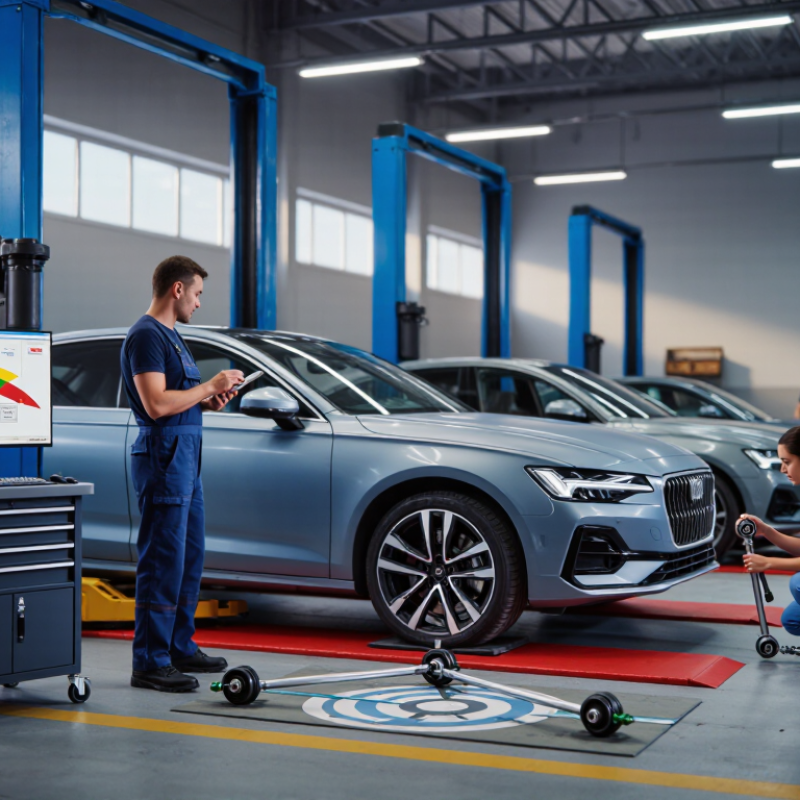
A front wheel alignment machine measures how the front wheels sit and point relative to the vehicle. Its sensors or camera targets track wheel positions while the vehicle rests on alignment turntables. The machine reports toe, camber, and caster. Toe shows whether the front edges of the tires point inward or outward. Camber measures each wheel’s inward or outward tilt when viewed from the front. Caster describes the steering axis angle from the side. Small changes matter. Incorrect toe can scrub tread quickly, while uneven camber may leave a worn strip along one tire edge.
The readings are compared with specifications for that vehicle, not a universal ideal. A technician may also check steering-axis inclination, setback, and thrust angle, depending on the equipment and service procedure. These measurements help identify bent parts or prior impact damage; they do not diagnose every cause by themselves. Tire pressure, worn joints, and uneven loading can affect results. The screen may show tidy numbers, but the setup still matters: a dirty target or a car not settled on its suspension can mislead. I would treat one measurement as evidence, not the whole story. After adjustment, the machine records updated values, and a short road check can reveal a steering wheel that still sits slightly off-center.
Sample front-wheel readings before and after adjustment. Toe, camber, and caster are measured in degrees; the example values are illustrative, and acceptable specifications vary by vehicle.
Front-wheel alignment machines in 2026 generally fall into three groups: optical or laser gauges, CCD sensor systems, and camera-based 3D systems. Optical units use visible reference lines and suit basic, lower-volume work. CCD heads measure wheel angles with electronic sensors. Camera systems track targets mounted on each wheel, displaying toe, camber, and caster readings on screen. They can speed up repeat checks, but need clear camera views and careful target placement.
Choose equipment for the vehicles and space you actually service. IIHS’s 2023 review found that automakers meeting a voluntary automatic emergency braking commitment represented 99% of the U.S. market. That is not an alignment-machine sales statistic, but it signals the growing relevance of vehicles with driver-assistance features. Alignment readings do not replace required sensor checks or calibration. The distinction can be easy to miss in a busy bay.
Tips: Compare measurement range, lift compatibility, and calibration requirements before buying. Check a known vehicle after setup; a crooked steering wheel can expose errors that a green screen may not. Portable systems save floor space, but they are not always the easiest to use.
In 2026, the best front wheel alignment machine is not simply the one with the largest screen. It should measure toe, camber, and caster consistently, with clear instructions for each adjustment. Check how it handles wheel runout compensation and whether its targets fit the shop’s lifts and wheel sizes. Small details matter. Loose target mounts or awkward cables can slow a busy bay.
Look for current vehicle specifications, readable before-and-after reports, and a calibration process supported by service records. Camera-based systems need suitable lighting and clear lines of sight; sensor-based systems also depend on correct mounting and maintenance. Ask how the machine guides technicians through steering-angle checks and caster sweeps. A quick demonstration on a vehicle with limited adjustment access can reveal more than a feature list.
Even when the job focuses on front wheels, the machine should show rear measurements and thrust angle. Rear geometry can affect how a vehicle tracks, so ignoring it may leave a steering complaint unexplained. Compare measurement repeatability, setup time, and support availability—not just advertised precision. One trade-off remains: more automation can reduce routine steps, but it cannot replace careful setup or sound judgment. I would verify the workflow in the actual shop before choosing; a polished interface may still feel clumsy on a crowded floor.
| System Type | How It Measures | Front-Wheel Measurements | Rear-Axle Reference | Practical Strengths | Important Limitations | Best Fit |
|---|---|---|---|---|---|---|
| Camera-based 3D system | Cameras track targets attached to the wheels and calculate alignment angles from their positions. | Typically supports toe, camber, caster, and other angles supported by the vehicle and system. | Can measure rear-wheel angles on four-wheel systems; rear readings help establish the thrust line for front adjustments. | No electronic sensor heads on the wheels; measurement workflow can be convenient for frequent service-bay use. | Needs suitable camera placement, clear target visibility, correct setup, and current vehicle specifications. Capabilities vary by system. | Shops that perform regular alignment work and want a camera-based workflow. |
| Electronic sensor-head system | Electronic measuring heads mounted to the wheels detect angular relationships and communicate readings to the console. | Commonly measures toe and camber, with caster and related checks available through the specified measurement procedure. | Four-head configurations can measure all four wheels and calculate rear thrust angle. | Established measurement approach; can provide comprehensive readings when correctly mounted and calibrated. | Heads and adapters must be installed securely and handled carefully. Setup and compensation procedures depend on the equipment. | Workshops that prefer a sensor-head process and have trained staff for mounting and setup. |
| Portable or compact alignment system | Uses compact measurement units, targets, or sensors; the specific method depends on the system design. | Measurement coverage differs considerably. Confirm that required front angles and vehicle types are supported. | Some systems provide rear-angle measurements; others may offer limited axle coverage. Verify thrust-angle capability before purchase. | Can suit space-constrained bays or mobile service when its measurement range and installation requirements match the job. | May have fewer functions or a narrower vehicle and lift compatibility range than a full-bay system. | Small workshops or mobile operators with clearly defined alignment requirements. |
| Front-only measurement setup | Measures front wheels without providing a complete four-wheel alignment measurement. | Can check selected front angles, depending on the equipment and procedure. | Does not provide a complete rear-axle reference unless separate rear measurements are available. | May be useful for limited checks where the vehicle design and service procedure permit front-only work. | Without rear measurements, the rear thrust line may not be established; front toe set to vehicle centerline alone may not reflect the vehicle’s actual direction of travel. | Limited applications—not a substitute for four-wheel measurement when rear alignment or thrust angle matters. |

Which Front Wheel Alignment Machine Is Best in 2026?
How Vehicle Type and Workshop Needs Shape the Best Choice
The best front wheel alignment machine in 2026 depends on the vehicles entering your workshop and the space available to service them. Compact cars need accessible, repeatable measurements, while SUVs and light vans require suitable lift capacity and measurement range. A system that checks all four wheels can also reveal rear-axle issues affecting front alignment. That matters. Consider how often technicians use the equipment, how quickly they can position targets, and whether the display is easy to read under workshop lighting. Speed helps, but only when measurements stay consistent.
Tips: Measure bay width and lift height before choosing. Check target clearance around larger vehicles. Ask about calibration, training, and local technical support.
Think about daily workflow, not just the machine’s features. A busy shop may benefit from quick setup and clear instructions; a smaller garage may value straightforward operation and low space demands. Check that turn plates and sensors suit your existing lift. A poorly matched setup can slow every job. Also confirm what maintenance and calibration involve, since accuracy depends on more than the purchase itself. There is no perfect choice for every workshop. It is easy to overvalue speed and overlook technician comfort; watch a real setup before deciding.
01 Choosing a front wheel alignment machine in 2026 depends less on flashy features than on the vehicles you service and your available workspace. Camera-based 3D systems read targets attached to the wheels and can speed up routine checks. They suit busy bays, but need clear camera views and accurate target placement. A blocked camera can turn a quick job into a frustrating pause.
02 CCD systems use electronic sensors mounted on wheel targets. They can work well in shops with limited overhead space, though cables and sensor handling add steps. Entry-level laser or optical systems may cost less and fit occasional alignment work. However, setup and readings can be more sensitive to operator technique. That trade-off matters. A lower purchase price may mean more time spent confirming measurements.
03 Look closely at the daily workflow. Can the machine accommodate the wheel sizes and vehicle types you actually see? Are calibration checks straightforward, and can staff follow the measuring process consistently? Ask for a hands-on demonstration using a vehicle similar to one in your bay. It is easy to overlook lighting, floor condition, or target storage during a polished demo. None of these categories guarantees a good result on its own; sound setup, current vehicle specifications, and careful technician judgment still matter.
© 2007 - 2025 The Custom Packaging. All right reserved.