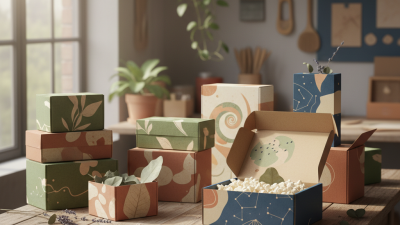
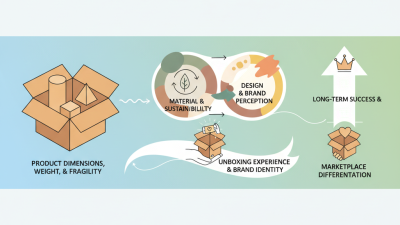
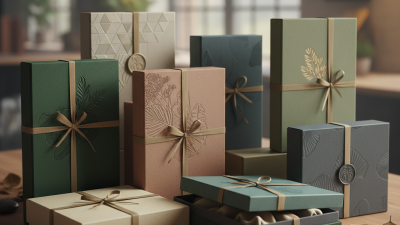
Best Design Boxes for Your Packaging Needs?
In the ever-evolving world of packaging, the importance of design boxes cannot be overstated. According to expert David Smith, “Good design boxes not only protect products but also tell a brand's story.” This perspective highlights the dual role of packaging in both safeguarding items and enhancing brand identity.
When choosing design boxes, several factors come into play. Quality materials, eye-catching graphics, and functional shapes all contribute to effective packaging. Brands often struggle to find the perfect balance between aesthetics and practicality. The right design box can elevate a product, but a poorly designed box can detract from its value.
Understanding market trends is crucial. As consumer preferences shift, businesses must adapt their design box strategies. Sustainability is a growing concern, pushing brands to consider eco-friendly options. However, not every brand has mastered this transition. Reflecting on past choices can provide valuable insights for future success in packaging.
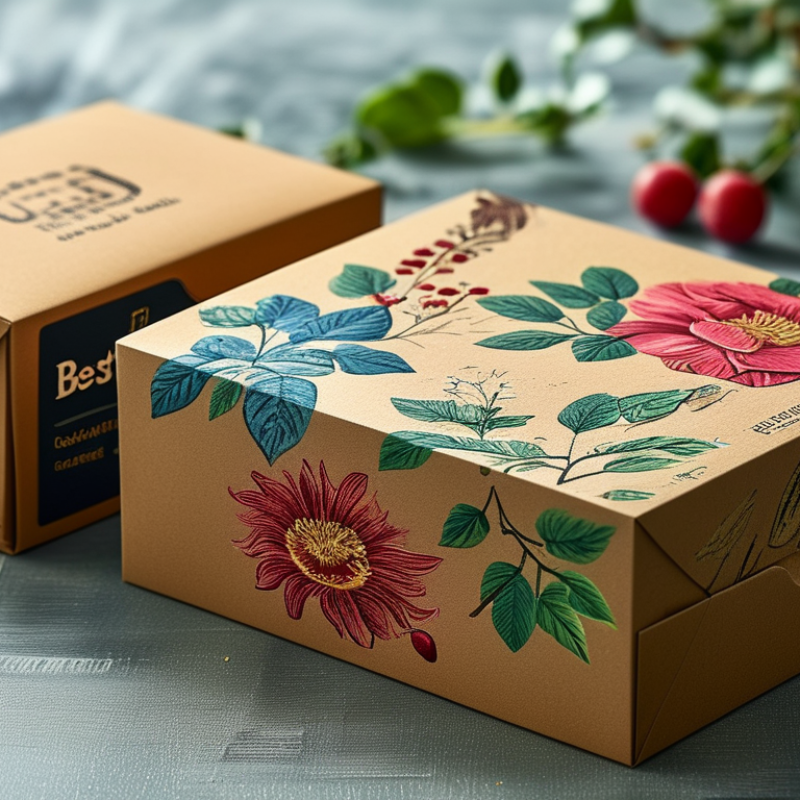
Types of Packaging Boxes for Different Products
When selecting packaging boxes, consider the type of product you have. Different products often require distinct packaging solutions. For example, fragile items like glassware benefit from cushioned boxes with foam inserts. Food items need moisture-resistant packaging to maintain freshness. According to a recent market study by Smithers Pira, the worldwide demand for sustainable packaging is expected to grow by 5% annually. This trend emphasizes the need for eco-friendly materials.
Retail packaging is another important category. Custom boxes attract consumers. They help convey brand identity. A report by Packaging Strategies reveals that 70% of purchase decisions are influenced by packaging design. This highlights why brands should invest significant effort into their packaging. Yet, many companies overlook the importance of functionality in their designs.
Regular feedback from consumers can reveal flaws in packaging solutions. It's critical to assess usability. Some boxes may not stack well or ensure product safety during transit. A study by Nielsen found that 32% of consumers have returned a product due to poor packaging choices, reflecting the need for improvement. Balancing aesthetics and practicality is vital.
Key Features to Look for in Packaging Box Design
When it comes to packaging design, there are several key features that can enhance functionality and consumer appeal. The first is material choice. Using sustainable materials not only meets regulatory demands but also appeals to environmentally conscious consumers. According to a report by Smithers Pira, sustainable packaging is projected to grow by 8.4% annually over the next five years. This shift signifies the importance of material selection in design.
Next, consider structural integrity. A well-designed box should protect the contents while being easy to open. Research indicates that packaging damage can lead to 30% of a company's product loss. Thoughtful design ensures that items remain safe and intact during shipping and handling, enhancing customer satisfaction.
Visual appeal also plays a crucial role. Design should reflect brand identity and attract the target audience. Bold colors and clear typography can make a significant difference in shelf presence. However, balance is essential. Overly complex designs can confuse consumers rather than attract them.
One way to improve your packaging design is to gather customer feedback on prototypes. This can highlight areas needing refinement before final production. Regularly reviewing competitor approaches can also reveal industry trends or gaps in your own designs that merit exploration.
Sustainable Materials for Eco-Friendly Packaging Solutions
Sustainable packaging is becoming essential for brands aiming for eco-friendly solutions. Recent industry reports indicate that over 75% of consumers prefer products with sustainable packaging. This trend emphasizes the importance of using materials that minimize environmental impact. Biodegradable and recyclable packaging options help reduce waste. For instance, cardboard and paper materials can decompose within months, making them a viable choice.
However, the shift to sustainable materials poses challenges. Not all businesses can afford premium eco-friendly options. There is also the risk of greenwashing, where companies falsely claim sustainability without taking real action. A study found that 40% of consumers are skeptical of eco-labels. They require transparency and proof of actual environmental benefits.
Investing in sustainable packaging should not only focus on design aesthetics but also on material integrity. Research indicates that 50% of global waste comes from packaging, highlighting the urgent need for change. Companies could rethink their logistics and sourcing to prioritize sustainable alternatives. Ultimately, fostering a genuine commitment to eco-friendly practices can restore consumer trust and drive long-term success.
Customizing Your Packaging: Design Options and Benefits
Customizing packaging can elevate your brand and attract customers. Unique design options create a lasting impression. When crafting your packaging, consider your audience. Understanding their preferences ensures that your design resonates. Explore materials, colors, and shapes that tell your brand story.
Effective design may involve trial and error. Not every concept will hit the mark. Collect feedback regularly. Use it to refine your designs for better results. Keep in mind the functionality of the packaging. It should protect the product while being visually appealing. A balance between aesthetics and practicality is vital.
Think about the unboxing experience. This moment creates an emotional connection with the customer. Use thoughtful touches like custom inserts or notes. These small details can lead to customer loyalty. Be prepared to revisit your designs and learn from analytics. Data can reveal what works and what doesn’t. Embrace the learning process and adapt your strategies accordingly.
Best Design Options for Packaging Needs
Trends in Box Designs for Enhanced Brand Identity
In today’s competitive market, packaging design plays a pivotal role in brand identity. A well-designed box does more than contain products; it communicates a brand's values. Unique shapes and materials can capture attention. For instance, eco-friendly options resonate with a growing audience seeking sustainability. Bright colors and innovative graphics can create an unforgettable experience.
Trends emphasize minimalism and functionality. Clean lines paired with smart designs reflect a sophisticated approach. Brands are focusing on usability, enhancing customer interaction. Boxes should be easy to open and resealable, adding convenience. Textures are also evolving; soft-touch finishes can evoke a sense of luxury. The challenge lies in balancing aesthetics with practicality.
Packaging design is not just about looking good. It requires deep understanding and creativity. Brands must reflect their identity while being authentic. Mistakes happen; some designs fail to connect emotionally. This highlights the importance of continuous feedback and adaptation. Learning from past errors is essential for future success. Each box should tell a story while inviting the consumer to engage.

 Cosmetic Packaging
 Display Packaging
 CBD Packaging
 Retail Packaging
 Product Packaging
 Cigarette Packaging
 Candle Packaging
 Soap Packaging
 Chocolate Packaging
 Vape Packaging
 Food Packaging
 Window Packaging Boxes
 Gift Packaging
 Bakery Packaging Boxes
 Pizza Packaging
 Bottle Packaging
 Garments Packaging
 Custom Printed Bags
 Christmas Packaging
 Toy Packaging
 Cereal Packaging
 Jewelry Packaging
 Apparel Packaging
 Shipping Packaging
 Custom Pre Roll Boxes
 Dispenser packaging
 Eco Friendly Packaging
 Custom Health Packaging
 Pharmaceutical Packaging