Best Cold Rolled Coil Applications and Benefits Explained?
In recent years, Cold Rolled Coil has gained significant attention in various industries. Experts believe that the applications of this material are both diverse and impactful. John Smith, a leading figure in the steel industry, once stated, "Cold Rolled Coil offers unmatched versatility in manufacturing." His insights highlight the crucial role this product plays in modern construction and automotive sectors.
Cold Rolled Coil serves as a primary material in producing precision components. The benefits are clear: increased strength, smooth surfaces, and enhanced formability. Manufacturers often prefer this type of coil for its ability to reduce processing times. However, it’s important to consider the limitations as well. Not every application demands Cold Rolled Coil, and excess usage can lead to increased costs.
The future of Cold Rolled Coil applications remains promising, yet challenges lie ahead. Industry players must adapt to evolving technologies and market demands. Reflecting on these factors is essential for sustainable growth. Ultimately, a deeper understanding of its benefits can drive innovation and efficiency in various fields.
What is Cold Rolled Coil?
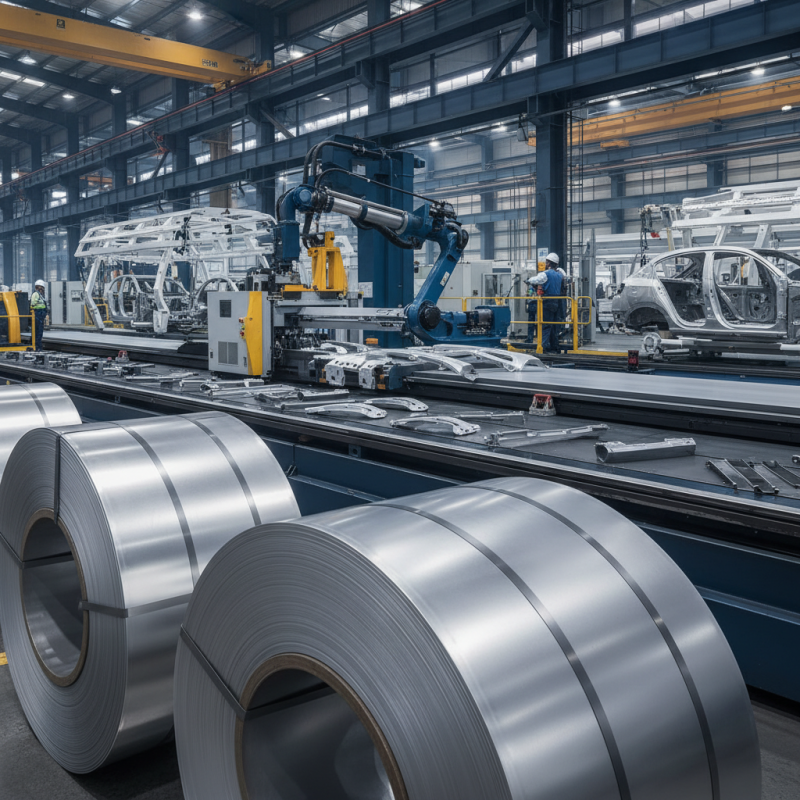
Cold rolled coil (CRC) is a type of steel product created by further processing hot rolled coil. This process involves rolling the steel at room temperature, which enhances its strength and surface finish. The thickness of CRC typically ranges from 0.2 mm to 3 mm. This range makes it suitable for various applications in industries like automotive, construction, and appliances. According to industry reports, the global cold rolled steel market is projected to reach approximately $285 billion by 2027.
One notable advantage of cold rolled coils is their improved dimensional accuracy. The cold rolling process allows the steel to achieve tighter tolerances, which is crucial in manufacturing precision components. Also, the surface finish is often smoother compared to hot rolled products, resulting in enhanced paint adhesion and better corrosion resistance. Tips: Consider the specific requirements of your project when selecting cold rolled coils, especially regarding thickness and finish.
However, it’s essential to recognize the limitations of CRC. It can be more susceptible to cracking and distortion, especially when heavily worked. Continuous quality control is vital during manufacturing to ensure a defect-free product. Ensure you assess your supply chain for consistency in material quality. Tips: Regularly review your raw material sources to avoid unexpected issues.
Best Cold Rolled Coil Applications and Benefits Explained
| Application | Benefit | Typical Thickness (mm) | Common Industries |
| Automotive parts | High dimensional accuracy and surface finish | 0.5 - 3.0 | Automotive, Manufacturing |
| Construction materials | Strength and durability | 0.3 - 2.5 | Construction, Engineering |
| Electrical appliances | Excellent electrical conductivity | 0.2 - 1.5 | Electronics, Appliances |
| Containers and packaging | Corrosion resistance and lightweight | 0.4 - 2.0 | Packaging, Food Processing |
| Furniture manufacturing | Aesthetic appearance and strength | 0.5 - 3.0 | Furniture, Design |
Manufacturing Process of Cold Rolled Coil
Cold rolled coil (CRC) undergoes a precise manufacturing process that enhances its properties. Initially, hot rolled steel sheets are cooled and then passed through rollers at room temperature. This procedure helps achieve thinner gauges and tighter tolerances. According to a report by the American Iron and Steel Institute, cold rolling can improve yield strength by up to 20%, which is crucial for various applications.
The cold rolling process involves several steps. After the initial cooling, the steel is subjected to further reduction in thickness through a series of passes. Each pass increases the strength while reducing thickness. The final product typically showcases a smooth surface and excellent dimensional accuracy. However, one must consider potential issues like edge cracking and surface defects that may arise during the process. These defects can lead to quality issues and increased material waste, challenging manufacturers to maintain high standards.
In addition to the primary benefits, CRC possesses unique features that serve diverse applications. Its malleability allows for easy forming and fabrication. The automotive industry, for instance, significantly benefits from using CRC due to its superior finishing and strength characteristics. Reports indicate that CRC is increasingly favored in manufacturing parts like chassis and body panels. Despite its advantages, the need for robust quality control mechanisms remains essential to mitigate risks associated with defects and ensure optimal performance in end-use applications.
Key Applications of Cold Rolled Coil in Industries
Cold rolled coil is widely used across various industries. The automotive sector relies heavily on cold rolled steel for parts like body panels and chassis components. Its superior surface finish and precise dimensions make it ideal for these applications. Meanwhile, the appliance industry utilizes it for products such as refrigerators and ovens, where aesthetics and durability are crucial.
In construction, cold rolled coils are essential for producing structural frames and roofing materials. Their strength and flexibility allow for innovative designs. However, it's important to consider the environmental impact of production processes. Some methods may not be sustainable.
Tip: Always check for recycled content when sourcing cold rolled coils. It can reduce waste and support greener practices.
In electronics, cold rolled coils are often used to create components like enclosures and housings. The reliable quality of this material ensures longevity and performance. Yet, manufacturers should remain vigilant about maintaining quality standards during production to avoid defects.
Tip: Regular audits of production processes can help identify areas for improvement. Being proactive can prevent future issues.
Advantages of Using Cold Rolled Coil
Cold rolled coils offer various advantages in multiple industries. Their thickness, surface finish, and mechanical properties make them desirable. This process enhances strength and durability. The tighter tolerance can result in impressive aesthetic appearances.
One notable benefit is the improved surface quality. Cold rolled products have smoother surfaces than hot rolled ones. This makes them ideal for applications requiring precise detailing. Additionally, they can be easily formed and shaped. This flexibility caters to many designs, from automotive parts to appliances. However, some users might find the initial costs higher.
Another advantage is their enhanced strength. The cold reduction process increases yield strength and tensile strength. This characteristic allows for lighter materials that can endure heavy loads. Yet, not all applications require this added strength, potentially leading to over-specification. Balancing strength with cost is vital for effective use. Cold rolled coils represent a robust option, but careful consideration is necessary.
Comparative Analysis: Cold Rolled Coil vs. Hot Rolled Coil
Cold-rolled coil and hot-rolled coil serve different manufacturing needs. Cold-rolled coils are thinner, with better surface finish. They undergo a process at room temperature, enhancing strength and surface quality. According to a report by Research and Markets, cold-rolled steel accounts for about 40% of the global steel market, highlighting its significance.
Hot-rolled coils are produced at high temperatures, which makes them easier to form. They are often thicker and more suited for applications requiring durability, like structural components. However, their surface can be rough, affecting aesthetic and functional uses. Data shows that the hot-rolled market is approximately 60% of the steel industry. This raises questions about the choice between the two types.
Choosing the right coil depends on specific needs. Cold-rolled coils provide better dimensional accuracy and surface finish. Yet, they may be more costly. Hot-rolled options are often more economical, but surface irregularities might hinder certain applications. Manufacturers must weigh these factors carefully to optimize production and meet quality standards.

 Cosmetic Packaging
 Display Packaging
 CBD Packaging
 Retail Packaging
 Product Packaging
 Cigarette Packaging
 Candle Packaging
 Soap Packaging
 Chocolate Packaging
 Vape Packaging
 Food Packaging
 Window Packaging Boxes
 Gift Packaging
 Bakery Packaging Boxes
 Pizza Packaging
 Bottle Packaging
 Garments Packaging
 Custom Printed Bags
 Christmas Packaging
 Toy Packaging
 Cereal Packaging
 Jewelry Packaging
 Apparel Packaging
 Shipping Packaging
 Custom Pre Roll Boxes
 Dispenser packaging
 Eco Friendly Packaging
 Custom Health Packaging
 Pharmaceutical Packaging