Best Ball Valve Types for Global Buyers to Consider?
In the global market, the demand for reliable and efficient flow control mechanisms is rising. Ball Valves stand out for their versatility and durability. According to a recent report by ResearchAndMarkets, the global ball valve market is projected to reach $10.7 billion by 2026, growing at a CAGR of 5.1%. This growth reflects the increasing use of ball valves across various industries, including oil and gas, water treatment, and chemical processing.
When selecting the best ball valve type, several factors must be considered. Each type serves specific purposes, impacting performance and reliability. The material composition, pressure ratings, and design features are crucial. For instance, stainless steel ball valves are popular for their corrosion resistance, making them ideal for harsh environments. However, while these valves offer numerous advantages, they may not always provide the best performance under certain conditions, requiring careful evaluation.
Global buyers need to understand the key attributes of ball valves thoroughly. A poorly chosen valve can lead to inefficiencies and costly downtime. Continuous advancements in technology and materials also shape the ball valve landscape. However, consideration of regional standards and compatibility should not be overlooked. These factors contribute to making informed decisions in an ever-evolving market.
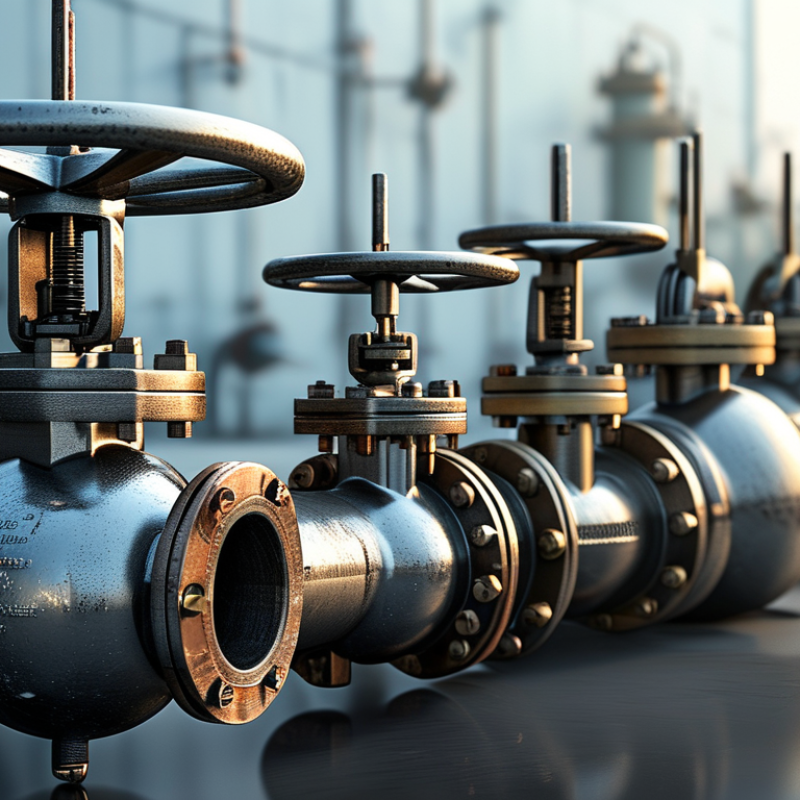
Overview of Ball Valve Types for Global Markets
When exploring ball valves for global markets, various types cater to different industrial needs. The three main types are floating, trunnion-mounted, and three-way ball valves. Floating ball valves are often used in low-pressure applications. Their simplicity makes them a popular choice among manufacturers.
Trunnion-mounted valves, on the other hand, are designed for higher pressure and larger sizes. They offer stability and reduced torque. However, they might require specialized maintenance, which could complicate usage. Similarly, three-way ball valves provide versatility. They enable flow direction changes, but their installation can be tricky.
When selecting a valve, considerations like material, size, and pressure rating are crucial. Certain environments may necessitate materials resistant to corrosion or extreme temperatures. Not all suppliers may provide detailed specifications, leading to potential mismatches. Understand the unique demands of your system, and assess the compatibility of valve options available. This approach can enhance performance and longevity, ensuring you make an informed choice.
Key Characteristics to Evaluate When Choosing Ball Valves
When looking for the best ball valve types, evaluating key characteristics is essential. First, consider the ball valve material. Common options include stainless steel, brass, and plastic. Each material has unique properties that can influence performance in various environments. For example, stainless steel is durable and resistant to corrosion, making it ideal for harsh conditions.
Next, examine the valve size and end connections. Ensure compatibility with your plumbing system. Some valves are designed for high-pressure systems, while others work well in low-pressure settings. The weight and dimensions can also impact installation ease and maintenance needs. Seek options that provide a secure fit to prevent leaks.
Don’t overlook the valve design. Full port valves allow maximum flow, while reduced port valves restrict flow slightly. This subtle difference may affect efficiency, especially in critical applications. It’s worth reflecting on the specific needs of your system. Choosing the right ball valve can prevent future issues, reducing long-term costs.
Popular Materials Used in Manufacturing Ball Valves
Ball valves are essential components in various industries. Their reliability is often linked to the materials used in their manufacturing. Common materials include stainless steel, brass, and plastic blends. Each material serves a specific purpose and is chosen based on application requirements.
Stainless steel is favored for its corrosion resistance and mechanical strength. According to industry reports, this material accounts for approximately 40% of the global ball valve market. Its durability makes it suitable for high-pressure environments like oil and gas pipelines. In contrast, brass offers a cost-effective solution, often seen in residential plumbing. It stands out for locking in tight seals. While it provides decent corrosion resistance, its performance diminishes in harsh environments.
Plastic ball valves, though less common, are gaining traction. They are lightweight and resistant to corrosive substances. Recent data suggests a 15% increase in demand for plastic ball valves, particularly in chemical processing. However, they may lack the longevity of metal counterparts. Each material has its own pros and cons. Understanding their properties is crucial for making informed purchasing decisions. This knowledge enhances the effectiveness and reliability of ball valves in critical applications.
Best Ball Valve Types for Global Buyers to Consider
| Valve Type | Material | Application | Pressure Rating | Temperature Range |
| Floating Ball Valve | Stainless Steel | Water, Oil, Gas | 150 psi | -29°C to 121°C |
| Trunnion Ball Valve | Carbon Steel | High Pressure Applications | 600 psi | -40°C to 200°C |
| Multiport Ball Valve | PVC | Chemical Handling | 100 psi | 0°C to 60°C |
| Electric Ball Valve | Brass | HVAC Systems | 300 psi | -10°C to 80°C |
| Cryogenic Ball Valve | Cryogenic Stainless Steel | Cryogenic Liquids | 600 psi | -250°C to -40°C |
Comparison of Different Ball Valve Designs and Applications
When selecting ball valves for various applications, understanding their designs and functions is crucial. Different types of ball valves excel in various industries. For instance, trunnion-mounted ball valves are ideal for high-pressure applications, offering durability and reduced leakage. Conversely, floating ball valves are more suitable for low-pressure systems, where the ball is held in place by the valve body.
Recent data from industry reports highlights that around 30% of all industrial fluid applications utilize ball valves. This reflects their versatility across sectors like oil and gas, water treatment, and chemical processing. In environments where tight sealing is needed, a V-port ball valve may be useful. It allows for better flow control and reduces turbulence within the system.
Tips: Always assess the operating conditions before selecting a ball valve type. The pressure, temperature, and media compatibility are all key factors. Another important aspect is maintenance; consider ball valves with features that ease disassembly for inspection. Not all designs are perfect, so weigh the pros and cons carefully. A well-thought-out choice can save costs in the long run by minimizing downtime and ensuring operational efficiency.
Trends and Innovations in the Global Ball Valve Industry
The global ball valve industry is witnessing exciting trends and innovations. Manufacturers are now focusing on developing smarter, more efficient solutions. Advanced materials are becoming popular, improving durability and performance. These materials can withstand extreme temperatures and corrosive environments, which is essential for various applications.
Digitalization is another key trend. Many companies are integrating IoT technology into ball valves. This allows for remote monitoring and control, improving system efficiency. Users can access real-time data, enabling proactive maintenance and reducing downtime. However, the reliance on technology may introduce vulnerabilities that need to be addressed.
Sustainability is also gaining traction. Companies are exploring eco-friendly manufacturing processes. This shift aims to reduce waste and energy consumption. Innovations in design are leading to valves that use less energy. Yet, balancing environmental goals with economic viability remains a challenge for many manufacturers. The path ahead is rife with both opportunities and obstacles, calling for continuous reflection and adaptation.
Best Ball Valve Types for Global Buyers to Consider

 Cosmetic Packaging
 Display Packaging
 CBD Packaging
 Retail Packaging
 Product Packaging
 Cigarette Packaging
 Candle Packaging
 Soap Packaging
 Chocolate Packaging
 Vape Packaging
 Food Packaging
 Window Packaging Boxes
 Gift Packaging
 Bakery Packaging Boxes
 Pizza Packaging
 Bottle Packaging
 Garments Packaging
 Custom Printed Bags
 Christmas Packaging
 Toy Packaging
 Cereal Packaging
 Jewelry Packaging
 Apparel Packaging
 Shipping Packaging
 Custom Pre Roll Boxes
 Dispenser packaging
 Eco Friendly Packaging
 Custom Health Packaging
 Pharmaceutical Packaging