
Cosmetic Packaging
Display Packaging
CBD Packaging
Retail Packaging
Product Packaging
Cigarette Packaging
Candle Packaging
Soap Packaging
Chocolate Packaging
Vape Packaging
Food Packaging
Gift Packaging
Bakery Packaging Boxes
Pizza Packaging
Bottle Packaging
Garments Packaging
Custom Printed Bags
Christmas Packaging
Toy Packaging
Cereal Packaging
Jewelry Packaging
Apparel Packaging
Shipping Packaging
Custom Pre Roll Boxes
Dispenser packaging
Eco Friendly Packaging
Custom Health Packaging
Pharmaceutical PackagingIn recent years, the demand for Bent-axis Motors in China has significantly increased. A report by Research and Markets indicates a projected growth rate of 7.5% in the market from 2021 to 2026. These motors are known for their efficiency and compact design, ideal for various industrial applications. However, while the technology appears promising, it faces challenges that deserve closer examination.
One key aspect is the manufacturing process. Companies often struggle with ensuring quality control in production. This inconsistency can lead to subpar performance and increased maintenance costs. Additionally, there is a notable skills gap in understanding these technologies, which hinders widespread adoption. While many recognize the potential of Bent-axis motors, a lack of training can create barriers.
Furthermore, the competition within the market is fierce. Numerous players are emerging, all striving for a share. This saturation can lead to pricing wars, where quality might be compromised. It’s crucial for businesses to reflect on their strategies. Emphasizing innovation and skilling their workforce can enhance their market position while also addressing existing shortcomings.
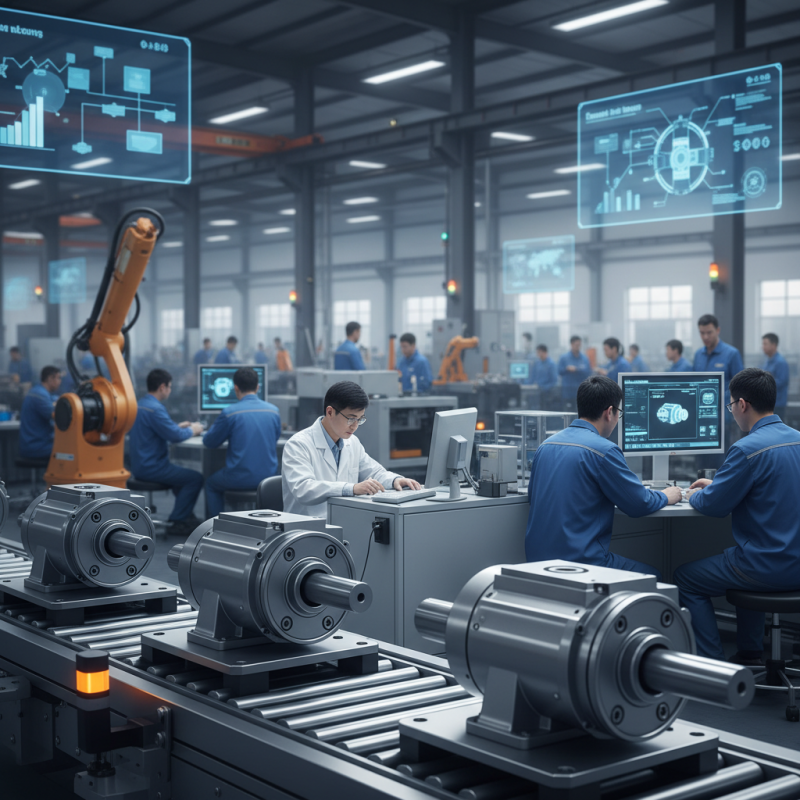
Bent-axis motors are an essential part of modern hydraulic systems. They convert rotational motion into linear motion efficiently. The unique design allows for high power density. Their angled construction provides greater torque and responsiveness. As industries in China continue to evolve, these motors play a crucial role in machinery.
According to recent industry reports, the demand for bent-axis motors has surged by over 15% in the last year. This growth is fueled by increased automation in manufacturing processes. Investments in infrastructure and green energy sectors are also contributing factors. However, there's still a need for improvement in design for durability and efficiency. Not all manufacturers meet the high expectations. Quality control remains a concern in many factories.
The adaptability of bent-axis motors offers exciting possibilities. However, users often face challenges in maintenance. Keeping these systems operational requires skilled technicians. The risk of performance degradation is significant if not properly maintained. Inadequate training can lead to costly downtime. By focusing on skill development, companies can enhance their operational efficiency.
Bent-axis motors are gaining traction in industrial applications across China. Their unique design offers several advantages that industry professionals are beginning to recognize. According to a recent market analysis, bent-axis motors show a 15% higher efficiency compared to traditional motors. This is largely due to their ability to handle higher pressures and provide better power density.
These motors excel in demanding environments, such as construction and machining. For instance, they can operate effectively in temperatures ranging from -40 to 80 degrees Celsius, ensuring reliability in various conditions. However, users should consider that maintenance is often required to sustain performance. Regular checks can prevent unexpected downtimes, a common pitfall when relying on advanced technology.
Another noteworthy benefit is the compact size of bent-axis motors. They provide significant torque in a smaller footprint, making them ideal for tighter spaces. Yet, the initial investment can be a barrier for some smaller companies. Despite the long-term savings from efficiency, upfront costs require careful budgeting. Companies need to weigh immediate financial impacts against future gains. Balancing these factors is crucial for successful implementation in the industrial sector.
Bent-axis motors are gaining traction in China’s manufacturing landscape. They offer impressive power density and efficiency. However, their design requires careful consideration. Designers must focus on optimizing geometries to enhance performance. Various studies indicate that proper optimization can increase efficiency by 12% or more.
A critical area for improvement is thermal management. Effective cooling solutions are essential for preventing overheating. Data shows that nearly 30% of motor failures stem from inadequate heat dissipation. Designers should explore innovative materials and designs that improve heat transfer. Efficiency can decrease during peak loads due to thermal stress.
Testing and prototyping are equally vital. Many designs fail without sufficient validation. Prototyping helps identify potential flaws before mass production. Reports indicate that 20% of designs need significant alterations after initial testing. Engaging in rigorous testing can enhance reliability and longevity. The market in China is maturing. Designers must adapt and refine their practices continually to maintain competitiveness.
The bent-axis motor market in China faces unique challenges. Manufacturers often struggle with high production costs and limited technology access. Reports suggest that costs can be up to 20% higher than competitors in other regions. This creates a barrier for smaller companies looking to enter the market.
Quality control is another significant issue. Many manufacturers lack standardized processes. This can lead to inconsistencies in performance and reliability. A recent industry analysis highlighted that nearly 30% of bent-axis motors fail to meet specified performance metrics. Addressing these issues is essential for gaining buyer confidence.
Tips: Invest in training for employees on advanced manufacturing techniques. Develop strict quality assurance protocols. Engage with local research institutions to improve technology access. Additionally, establishing partnerships can enhance innovation. This could streamline processes and reduce costs in the long run.
| Dimension | Data |
|---|---|
| Market Size (2023) | $1.2 billion |
| Growth Rate (2024-2029) | 8.5% CAGR |
| Major Applications | Construction Equipment, Agricultural Machinery, Industrial Automation |
| Primary Challenges | Supply Chain Disruptions, Competitive Pricing, Quality Control |
| Top Countries for Imports | Germany, Japan, USA |
| Average Price per Unit | $500 - $800 |
| Future Trends | Increased Automation, Focus on Energy Efficiency, Advanced Materials |
Bent-axis motors are gaining traction in various industrial applications. Their unique design allows for higher efficiency and compact size. This technology is particularly useful in sectors like automotive and aerospace. Recent advancements have sparked interest among manufacturers. They seek to optimize performance while reducing energy consumption.
Looking ahead, several trends may shape the future of bent-axis motor technology. Innovation in materials can lead to lighter components and improved durability. Smart integration with IoT devices is also on the horizon. Such developments may enhance monitoring capabilities and operational efficiency. However, challenges persist. The need for skilled workforce and training remains critical. Companies must invest in employee development to keep pace with evolving technology.
Market growth for bent-axis motors shows promise, driven by rising demand for automation. This trend indicates a shift towards cleaner, more efficient machinery. However, stakeholders should remain cautious. Balancing cost and performance is not straightforward. This creates a space for reflection on priorities and strategic decisions. As industries transition, the focus on sustainability will be paramount.
© 2007 - 2025 The Custom Packaging. All right reserved.