Cosmetic Packaging
Display Packaging
CBD Packaging
Retail Packaging
Product Packaging
Cigarette Packaging
Candle Packaging
Soap Packaging
Chocolate Packaging
Vape Packaging
Food Packaging
Gift Packaging
Bakery Packaging Boxes
Pizza Packaging
Bottle Packaging
Garments Packaging
Custom Printed Bags
Christmas Packaging
Toy Packaging
Cereal Packaging
Jewelry Packaging
Apparel Packaging
Shipping Packaging
Custom Pre Roll Boxes
Dispenser packaging
Eco Friendly Packaging
Custom Health Packaging
Pharmaceutical PackagingIn the world of industrial flow control, Butterfly valves stand out for their efficiency and reliability. According to John Smith, a renowned expert in valve technology, "Butterfly valves offer unmatched advantages in various applications." This statement emphasizes the importance of these valves in global markets.
Manufacturers and engineers appreciate the simplicity of butterfly valves. Their design allows for quick opening and closing with minimal pressure drop. This feature is crucial for maintaining energy efficiency, especially in large-scale operations. Additionally, the lightweight nature of butterfly valves facilitates easier installation and maintenance, which can lead to reduced operational costs.
However, not all butterfly valves are created equal. Buyers must consider factors such as material compatibility and pressure rating. Making the right choice can be complex. Without careful evaluation, users may encounter performance issues. Learning from past experiences is vital for making informed decisions. The benefits of using butterfly valves are substantial, but understanding their limitations is equally important.
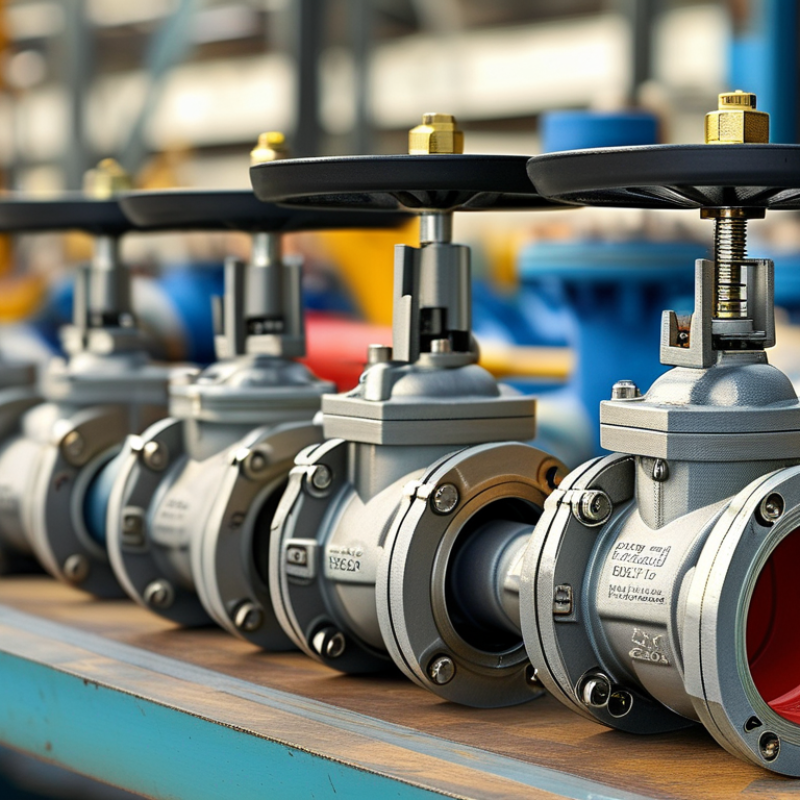
Butterfly valves are crucial in various industrial applications. They are known for their simple design, which allows for quick operation. These valves operate using a circular disc, controlling flow with minimal resistance. The low profile makes them suitable for compact spaces. In environments where space and weight are constraints, butterfly valves excel.
The construction of butterfly valves enables durability. Typically, they are made from high-strength materials, ensuring longevity. Corrosion-resistant options are available for harsh environments. Their lightweight design contributes to ease of installation and maintenance. However, selecting the right material is essential. Inadequate choices can lead to premature wear and tear.
In practical applications, precision is vital. Butterfly valves often have a smaller range of motion compared to other valve types. This limitation can affect the flow control in some cases. It requires careful consideration of system requirements. Operators must assess whether a butterfly valve meets specific performance criteria. Despite their limitations, the benefits often outweigh the downsides in many situations.
This chart illustrates the advantages of utilizing butterfly valves in industrial applications. The data reflects various key characteristics that make butterfly valves a preferred choice for global buyers.
Butterfly valves play a crucial role in optimizing fluid dynamics across various industries. Their design allows for a quick and efficient way to control the flow of liquids and gases. With a simple yet effective mechanism, these valves can significantly enhance flow control, reducing turbulence and energy losses. According to a recent industry report, using butterfly valves can improve flow efficiency by up to 30%. This efficiency is essential for industries such as water treatment and petrochemicals, where precise flow management is critical.
In addition to flow optimization, butterfly valves offer advantages in terms of space and weight. Their compact design makes installation easier, especially in tight areas. Reports indicate that they can save up to 50% of space compared to traditional valve systems. However, this comes with a trade-off. In high-pressure applications, ensuring durability and reliability may pose challenges that warrant thorough evaluation. It is vital for users to consider the specific operational conditions when selecting valves for their applications, as not all environments will suit the butterfly valve design perfectly. Careful analysis ensures that the chosen valve aligns with both functional and safety requirements.
Butterfly valves offer significant cost-effectiveness for global buyers. They are lightweight and easy to install, which reduces labor costs. They can be used in various applications, enhancing their versatility. This adaptability means less inventory investment.
Material costs also play a role. Butterfly valves often require fewer materials than other types. This can lead to lower manufacturing costs. Additionally, they have a longer lifespan, which reduces replacement frequency. Long-term savings are crucial for budget-conscious companies.
However, it is essential to consider installation challenges. Inadequate fitting can lead to inefficiencies. Buyers must be diligent in choosing the right application. Not all scenarios will benefit equally from butterfly valves. Proper training can compensate for potential oversights. Balancing upfront costs with long-term effectiveness is vital for decision-making.
| Benefit | Description | Cost-Effectiveness | Maintenance |
|---|---|---|---|
| Lightweight Design | Easy to install and handle due to their lighter weight compared to other valve types. | Reduces shipping and installation costs. | Low maintenance required due to fewer moving parts. |
| Space Efficiency | Compact design saves valuable space in piping systems. | Minimizes infrastructure costs due to smaller installations. | Easy access for maintenance in tight spaces. |
| Versatility | Suitable for a wide range of media, including liquids, gases, and slurries. | Reduced need for multiple valve types in various applications. | Long-lasting performance across different applications. |
| Low Pressure Drop | Provides smooth flow characteristics even at higher flows. | Improves energy efficiency by reducing pump energy consumption. | Less wear and tear on system components due to smoother flow. |
| Cost-Effectiveness | Typically more affordable than other valve types with similar performance. | Lower initial purchase cost enhances overall project budget. | Reduced downtime costs due to quick repairs and ease of maintenance. |
| Easy Operation | Simple to operate with manual or automated systems. | Cost savings on training for operators due to easy usage. | Less training required for maintenance staff. |
| Reliable Sealing | Offers excellent sealing capabilities, preventing leaks. | Mitigates costs associated with leaks and failures. | Long service life enhances overall reliability. |
| Environmental Friendly | Made from recyclable materials, reducing environmental impact. | Saves costs in disposal and meets sustainability requirements. | Long lifecycle reduces waste and environmental footprint. |
| Reduced Noise | Operates quietly compared to other valve types. | Lower noise levels can enhance workplace comfort. | Fewer noise complaints lead to potential cost savings. |
| Wide Range of Sizes | Available in various sizes to fit different piping systems. | Flexibility in design reduces engineering costs. | Minimizes modifications in existing systems. |

Butterfly valves are increasingly recognized for their durability and low maintenance needs in various industries. Their design minimizes the number of moving parts, leading to less wear and tear compared to other valve types. A study from the Valve Manufacturers Association states that butterfly valves can reduce downtime by up to 30%. When installed correctly, they can operate efficiently for years, even in harsh conditions.
Materials used in butterfly valves, such as stainless steel and plastic composites, enhance their resistance to corrosion and chemical damage. For instance, butterfly valves made from EPDM can withstand temperatures up to 300°F. This durability leads to lower maintenance costs. Replacement costs and labor are significantly minimized, making these valves a cost-effective option.
However, not all butterfly valves are perfect for every application. Users need to consider factors like flow direction or pressure changes. In some scenarios, improper selection can lead to failures. A report from the American Society of Mechanical Engineers notes that up to 15% of valve failures are due to improper application. Thus, understanding the operational environment is crucial for maximizing the benefits of these valves.
Butterfly valves play a crucial role in sustainable practices, especially in fluid control systems. Their design allows for efficient flow regulation, utilizing less material in production compared to other valve types. According to a recent industry report, using butterfly valves can reduce energy consumption by up to 30% in certain applications. This reduction contributes significantly to lower carbon emissions, aligning with global sustainability goals.
The environmental impact of butterfly valves extends beyond just energy savings. Their lightweight structure leads to reduced transportation costs and lower environmental footprints. This is key for industries looking to improve sustainability. However, it is essential to inspect butterfly valves regularly. Corrosion and wear can affect performance and lead to leaks, undermining environmental efforts.
Moreover, while butterfly valves are versatile, they are not always suitable for high-pressure applications. This limitation must be acknowledged by buyers seeking the best solutions. Using them without considering operational conditions might result in inefficiencies. Balancing their benefits with potential drawbacks requires careful evaluation for maximum sustainability.
© 2007 - 2025 The Custom Packaging. All right reserved.