
What Are the Benefits of Using Brown Paper for Packaging?

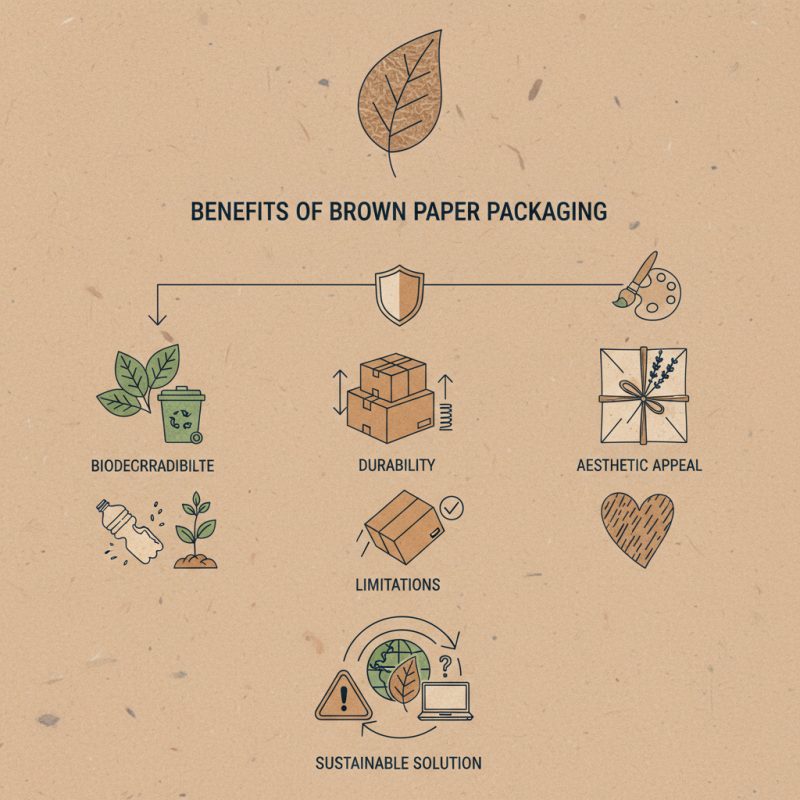
Brown Paper has gained popularity in recent years as a sustainable packaging option. Many businesses are turning to this eco-friendly material due to its numerous advantages. One significant benefit is its biodegradability. Unlike plastic, Brown Paper breaks down naturally, reducing landfill waste and pollution.

Moreover, Brown Paper offers excellent durability. It can withstand various shipping conditions while protecting products. This resilience helps to lower the cost of replacing damaged goods. Many consumers appreciate the natural look of Brown Paper. It gives products a rustic appeal, enhancing their aesthetic value.

However, it's vital to consider its limitations. Brown Paper may not be suitable for all items, especially those needing moisture protection. Businesses must evaluate their product needs carefully. Despite these challenges, the advantages of using Brown Paper for packaging are compelling. It promotes sustainability while providing a reliable solution for various packaging requirements.

What Are the Benefits of Using Brown Paper for Packaging?

Benefits of Brown Paper Packaging for Sustainability and Eco-friendliness

Brown paper packaging is gaining traction for its role in promoting sustainability. Made from renewable resources, it is biodegradable and compostable. This contrasts sharply with plastic, which lingers in landfills for centuries. When businesses choose brown paper, they're reducing plastic waste and encouraging a circular economy.

Beyond environmental benefits, brown paper packaging is often stronger and more versatile. It can be easily customized, making it suitable for various products. Consumers appreciate its rustic appeal, which adds a personal touch. However, some may question its durability compared to plastic alternatives. It's essential for companies to evaluate their needs and select materials accordingly.

Another point of discussion is the sourcing of brown paper. While it is made from wood pulp, not all sources are sustainable. Companies should ensure their material comes from responsibly managed forests. This commitment can strengthen brand integrity while nurturing the environment. Balancing cost and sustainability poses challenges but offers meaningful long-term benefits.

Economic Advantages of Brown Paper in Comparison with Plastic Alternatives

Brown paper packaging offers significant economic advantages over plastic alternatives. Its production often has a lower environmental impact. Raw materials for brown paper, such as recycled paper, are widely available. This reduces costs associated with sourcing materials compared to oil-based plastics. Brown paper can also be produced using less energy, making it a more sustainable choice.

Many businesses find that using brown paper cuts costs in the long term. It often requires less investment in storage and transportation due to being lighter than plastic. Additionally, companies that use environmentally friendly packaging can market themselves as sustainable. This shift attracts a growing segment of environmentally conscious consumers.

However, there are challenges to consider. While brown paper is biodegradable, its durability may not match that of plastic. In some cases, products may not be as well protected during transportation. Finding solutions to reinforce brown paper packaging without compromising its eco-friendliness requires innovation. Businesses must weigh these factors against the economic benefits of choosing brown paper.

What Are the Benefits of Using Brown Paper for Packaging? - Economic Advantages of Brown Paper in Comparison with Plastic Alternatives

Feature Brown Paper Plastic
Cost per unit $0.05 $0.10
Biodegradability Yes (within months) No (hundreds of years)
Recyclability High Limited
Storage Space Required Less More
Customizability Easily printed or designed Limited options
Consumer Preference Increasingly preferred Declining preference

Consumer Preferences and Trends Towards Brown Paper Packaging Solutions

In recent years, there has been a noticeable shift in consumer preferences towards brown paper packaging. This trend reflects a growing awareness of environmental impacts. Many consumers now prefer packaging that is biodegradable and recyclable. Brown paper often meets these criteria, appealing to environmentally-conscious shoppers.

Moreover, consumers associate brown paper packaging with authenticity and simplicity. This aesthetic resonates deeply with many who seek a more natural product experience. It evokes a sense of handcrafted quality, making items feel more unique. However, not every consumer appreciates the look. Some still lean toward glossy finishes and vibrant colors.

Yet, the cost is a consideration. Brown paper can occasionally be pricier than synthetic alternatives. Brands need to weigh these factors carefully. As sustainability remains a priority, striking a balance between cost and consumer wishes is essential. This reflects a complex relationship where brands must continuously adapt to evolving consumer expectations.

Technical Performance: Strength and Versatility of Brown Paper in Shipping

Brown paper has gained popularity in shipping due to its remarkable strength and versatility. It offers excellent tear resistance, making it reliable for various packages. Whether you’re shipping books, clothes, or fragile items, brown paper holds up well under pressure. Its natural texture provides added cushioning, reducing the likelihood of damage during transit.

Tips: When using brown paper, ensure layers are tightly packed. This will enhance the package's durability. Also, consider double-layering for heavier items. Remember, not all brown paper is created equal; thickness matters.

Another notable feature is its eco-friendliness. Brown paper is often made from recycled materials, which benefits the environment. Many buyers appreciate sustainable options during their shopping experience. But, it’s essential to check for certifications to confirm its eco-credentials.

Tips: Always source brown paper from reputable suppliers. This ensures that you are supporting ethical practices. Additionally, test different types of brown paper to find what works best for your shipping needs. Be aware that some papers may not perform well in damp conditions.

Recyclability and Biodegradability of Brown Paper in Packaging Industry

Brown paper is becoming a popular choice in the packaging industry, partly due to its recyclability and biodegradability. This material is made from natural fibers, which makes it an environmentally friendly option. Unlike plastic, brown paper decomposes naturally. It can break down within a few months in a composting environment, reducing landfill waste.

Many consumers appreciate the sustainability aspect of brown paper packaging. It can be recycled multiple times, helping conserve resources. When recycled, brown paper uses less energy than making new paper from trees. This lower energy requirement contributes to a smaller carbon footprint. Tips for recycling include flatting boxes before placing them in recycling bins. This maximizes space and promotes efficient collection.

Biodegradable packaging is not without its challenges. Some brown papers still contain coatings or plastics. These additives can hinder the material's biodegradability. Always check product labels to ensure you choose fully biodegradable options. Consider using uncoated brown paper for greater environmental benefits. This lets you confidently support sustainable practices.

Benefits of Using Brown Paper for Packaging

Article Source: