What Are the Benefits of Using Balancing Valves in Systems
Balancing Valves play a crucial role in HVAC and hydronic systems. These valves ensure proper flow distribution, improving system efficiency. Expert Mark Johnson, a renowned specialist in thermal systems, once stated, “Balancing valves are essential for achieving optimal performance in any fluid system.” His insight highlights the importance of these components in maintaining balance within complex installations.
With the increasing demand for energy efficiency, balancing valves have gained prominence. They minimize energy waste by optimizing fluid flow. Properly balanced systems reduce operational costs and enhance comfort. However, it's important to note that incorrect installation can lead to issues. Some professionals overlook the nuances of adjustment, leading to inconsistent performance.
Attention to detail is vital when working with balancing valves. Each installation may present unique challenges. Engineers must consider system design, fluid characteristics, and operating conditions. The road to effective balancing is not always straightforward, and ongoing evaluation is necessary. Balancing valves are a key element in achieving sustainable and efficient systems.
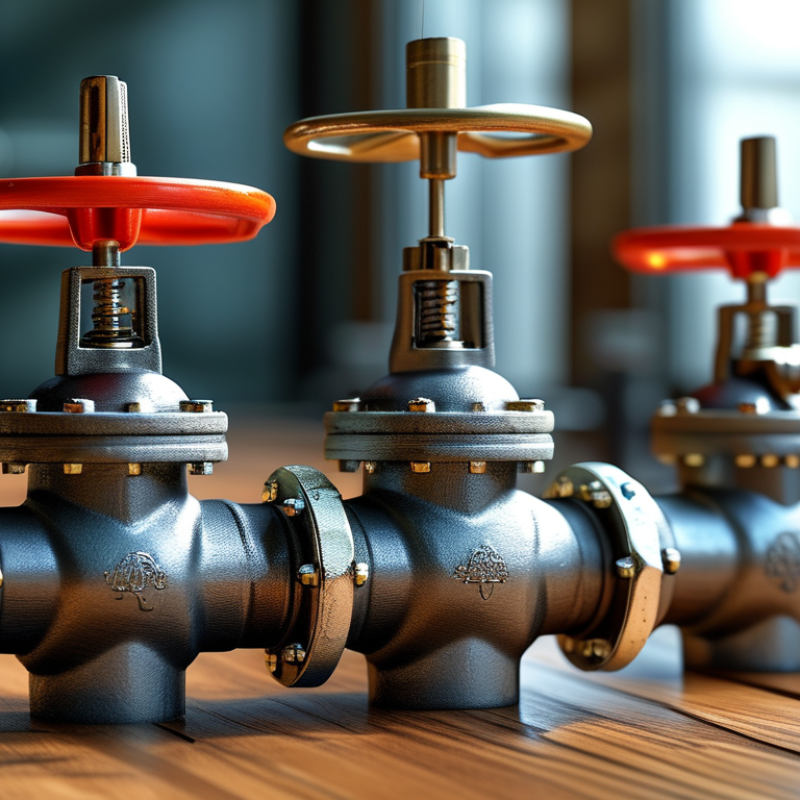
Benefits of Balancing Valves: Overview of Functionality and Applications
Balancing valves play a crucial role in hydraulic systems. They ensure that flow rates are regulated throughout the system. This regulation enhances system efficiency, which can lead to better energy savings. When installed properly, these valves maintain the desired pressure, preventing excessive energy use. That's essential for many applications, including heating and cooling systems.
Another key aspect is improving system performance. A balanced system minimizes the risk of water hammer and pressure fluctuations. These issues can lead to premature wear and increased maintenance costs. Moreover, it allows HVAC systems to operate optimally, enhancing comfort levels in buildings. In complex systems, balancing valves simplify troubleshooting and adjustments, making maintenance easier.
While the benefits are clear, some challenges exist. Incorrect installation can compromise their effectiveness. Regular maintenance and checks are necessary to ensure they function as intended. Being proactive in these checks ensures longevity and reliability in overall system performance. Balancing valves are essential tools, but they require thoughtful integration into any hydraulic setup.
Impact on Energy Efficiency: Quantifying Savings in HVAC Systems
Balancing valves play a crucial role in enhancing energy efficiency within HVAC systems. These valves regulate water flow, ensuring that each area gets the right amount of heating or cooling. When systems are properly balanced, energy consumption drops significantly. Studies indicate that well-balanced systems can achieve energy savings of up to 30%. This reduction translates into lower utility bills and a smaller carbon footprint.
However, achieving a perfectly balanced system is not always straightforward. Factors such as pipe layout and system design can complicate this process. In some cases, improper installations lead to uneven heating or cooling. It's essential to periodically assess and adjust the system, as changes in building occupancy or usage can affect performance. A proactive approach ensures long-term savings and efficient operation.
Monitoring is key in the balancing process. Regular evaluations can showcase the system's performance and highlight potential issues. Energy savings can diminish over time if the system is not maintained. Therefore, both initial setup and ongoing assessments are vital for optimal efficiency. Balancing valves, while beneficial, require attention to detail and a willingness to adapt to changing conditions. By committing to this process, occupants can enjoy consistent comfort and reduced energy costs.
Enhancing Comfort: Balancing Valves and Temperature Control in Buildings
Balancing valves play a crucial role in maintaining comfort within buildings. By regulating the flow of water in heating and cooling systems, these valves ensure that each room receives the right amount of temperature control. This is essential for occupant comfort, as uneven temperatures can lead to discomfort and dissatisfaction. When installed properly, balancing valves can prevent cold spots and hot zones, creating a more uniform environment.
In practice, achieving this balance can be tricky. Mechanical settings may require frequent adjustments based on changing conditions. For instance, a room with large windows may need different flow rates compared to an interior room. These unique needs make it vital for technicians to accurately assess each space. However, even with advanced tools, there may still be fluctuations in temperature. This highlights the need for ongoing maintenance and adjustment.
Overall, the effectiveness of balancing valves relies on proper installation and periodic checks. Realizing that these systems aren't always perfect helps teams stay vigilant. By continuously monitoring and adjusting, facilities can ensure optimal performance. This leads to enhanced occupant satisfaction and energy efficiency in the long run. Balancing comfort and efficiency is an ongoing journey that requires attention to detail.
What Are the Benefits of Using Balancing Valves in Systems - Enhancing Comfort: Balancing Valves and Temperature Control in Buildings
| Dimension | Description | Benefit | Impact |
| Energy Efficiency | Optimizes flow rates in heating and cooling systems | Reduces energy consumption | Lower utility bills |
| Temperature Control | Helps maintain consistent temperatures across spaces | Increased comfort for occupants | Enhanced occupant satisfaction |
| System Longevity | Reduces strain on HVAC systems | Extends lifespan of equipment | Lower maintenance costs |
| Noise Reduction | Minimizes water hammer and system noises | Creates a quieter environment | Improved occupant comfort |
| System Balancing | Ensures even distribution of heat/cooling | Improves overall system performance | Optimized energy use |
Maintenance Advantages: Reducing System Wear and Improving Longevity
Balancing valves play a crucial role in maintaining HVAC systems. They ensure even distribution of water flow in pipes. This not only maximizes efficiency but also significantly reduces system wear. According to a report by the American Society of Heating, Refrigerating and Air-Conditioning Engineers (ASHRAE), well-balanced systems can enhance energy efficiency by up to 30%. This means lower operational costs and a smaller environmental footprint.
Regular maintenance cycles often overlook the importance of balancing valves. Some facilities report that neglecting these components led to a 20% increase in equipment failures. Such oversight can lead to more significant repair costs and shorter equipment lifespan. Balancing valves distribute pressure more evenly, minimizing strain on pumps and other components. This optimization extends equipment longevity, crucial for budget-conscious facilities.
The impact of balancing valves on system durability cannot be overstated. Data from the Building Efficiency Initiative suggests that systems with adequately adjusted balancing valves experience less mechanical stress. In turn, this leads to fewer breakdowns. However, recognizing their importance is often downplayed. Technicians may focus on immediate fixes rather than long-term efficiency strategies. Over time, this short-sightedness can negate the advantages that balancing valves offer.
Regulatory Compliance: Meeting Standards with Proper Balancing Solutions
Balancing valves are essential for efficient system performance. They help regulate flow, ensuring that each component receives the appropriate amount of fluid. In achieving these benefits, regulatory compliance becomes a critical consideration. Systems that do not meet established standards can face penalties and operational setbacks.
Proper balancing solutions directly align with various industry regulations. They help maintain energy efficiency and reduce environmental impact. Adhering to such standards often requires a detailed understanding of local codes and best practices. Yet, even with comprehensive guidelines, many systems still struggle to meet requirements. This can be due to improper installation or maintenance gaps.
Balancing valves offer a pathway to improved compliance by minimizing flow discrepancies. However, users must continuously assess their systems. Regular audits can identify issues before they become significant problems. This proactive approach not only enhances compliance but also optimizes system performance. A continuous learning mindset is crucial in navigating the complexities of regulatory landscapes.

 Cosmetic Packaging
 Display Packaging
 CBD Packaging
 Retail Packaging
 Product Packaging
 Cigarette Packaging
 Candle Packaging
 Soap Packaging
 Chocolate Packaging
 Vape Packaging
 Food Packaging
 Window Packaging Boxes
 Gift Packaging
 Bakery Packaging Boxes
 Pizza Packaging
 Bottle Packaging
 Garments Packaging
 Custom Printed Bags
 Christmas Packaging
 Toy Packaging
 Cereal Packaging
 Jewelry Packaging
 Apparel Packaging
 Shipping Packaging
 Custom Pre Roll Boxes
 Dispenser packaging
 Eco Friendly Packaging
 Custom Health Packaging
 Pharmaceutical Packaging