
Cosmetic Packaging
Display Packaging
CBD Packaging
Retail Packaging
Product Packaging
Cigarette Packaging
Candle Packaging
Soap Packaging
Chocolate Packaging
Vape Packaging
Food Packaging
Gift Packaging
Bakery Packaging Boxes
Pizza Packaging
Bottle Packaging
Garments Packaging
Custom Printed Bags
Christmas Packaging
Toy Packaging
Cereal Packaging
Jewelry Packaging
Apparel Packaging
Shipping Packaging
Custom Pre Roll Boxes
Dispenser packaging
Eco Friendly Packaging
Custom Health Packaging
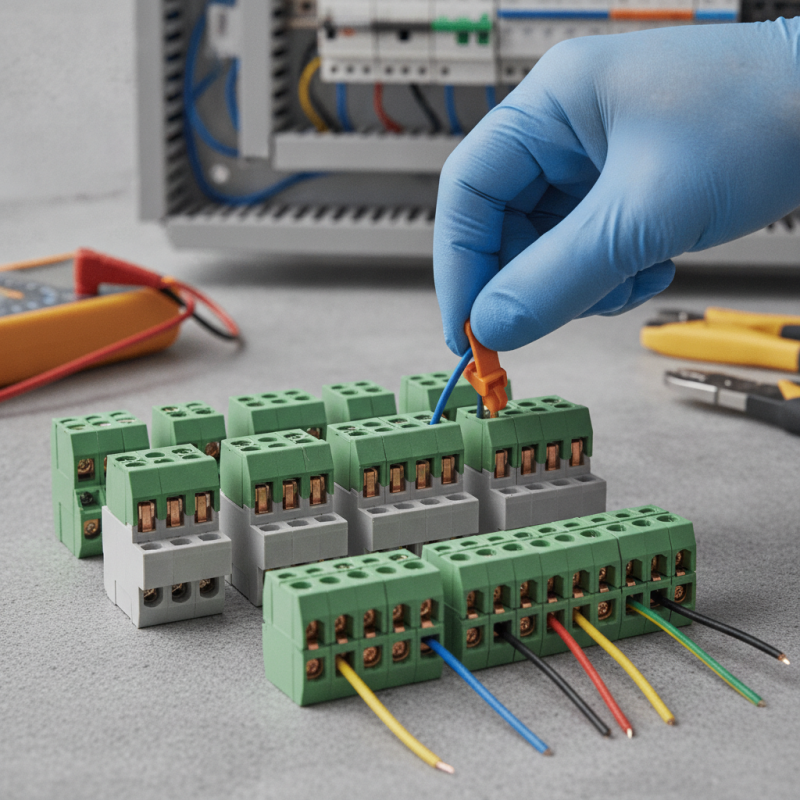
Pharmaceutical PackagingIn the evolving world of electrical connectivity, the use of Screwless Plug-In Terminal Blocks stands out significantly. These innovative components offer a reliable solution for various wiring projects. They eliminate the need for screws, reducing installation time and potential errors. Professionals appreciate their ease of use, making them ideal for both novice and experienced technicians.
Screwless Plug-In Terminal Blocks are often designed with user-friendly features. They allow for quick connections and disconnections, which can be a game-changer in dynamic environments. With options for multiple wire gauges, they provide versatility in applications. Such efficiency can lead to reduced downtime during maintenance.
However, challenges remain. Despite their effectiveness, some users encounter issues with compatibility. It's essential to assess the specific needs of each project. Quality varies among different manufacturers, requiring careful selection. Ultimately, Screwless Plug-In Terminal Blocks represent a balance of innovation and practicality in modern connectivity solutions.
Screwless plug-in terminal blocks are gaining popularity for their practical benefits. The screwless design significantly reduces installation time and effort. Users can simply plug wires directly into the terminal, eliminating the need for screwdrivers. This feature is particularly advantageous in tight spaces where access is limited.
One common concern with screwless designs is reliability. Some may worry about disconnections over time. However, many models have been engineered for secure retention, ensuring that connections remain stable. It's essential to select terminal blocks with high-quality materials to enhance their durability.
Tip: Always inspect terminal blocks before use. Look for any signs of wear or damage. Regular maintenance can prolong their life and maintain efficiency.
Moreover, screwless terminal blocks often come with excellent compatibility. This flexibility allows for easy integration with various devices. Yet, users should be aware of the specifications of both the terminal block and the wire. Mismatched sizes can lead to poor connections.
Tip: Keep a wire gauge chart handy. Knowing the correct specifications can prevent mistakes during installation. Understanding the limits of your equipment ensures safer and more effective wiring.
Screwless plug-in terminal blocks offer remarkable safety features that enhance electrical connections. These components eliminate the need for screws, reducing the risk of loose connections. As a result, accidental disconnections during operation are minimized. This is particularly important in environments with vibrations or frequent movement.
The design of screwless terminal blocks often includes features that guard against electrical arcing. Many have built-in mechanisms to securely hold wires in place. Some also come equipped with transparent protective covers for added visibility of connections. These elements work together to create a safer environment for both the equipment and personnel involved.
Tips: Always verify the wire gauge before installation. Proper sizing contributes to better performance and safety. Regularly inspect connections for wear and tear. This practice ensures continued reliability. Keeping terminals clean helps prevent maintenance issues.
The reliability of these terminal blocks is evident in various applications, from industrial to residential settings. However, users must remember that not all environments may be suitable for screwless designs. Evaluating specific conditions is essential before making a decision. While these blocks excel in many areas, staying informed about their limitations is crucial for effective use.
Screwless plug-in terminal blocks offer significant advantages in installation and maintenance. For users, the ease of use stands out. These components save time and reduce errors during setup. According to a recent industry report by Research and Markets, 70% of technicians prefer plug-in mechanisms due to their reduced learning curve.
Maintenance becomes straightforward as well. Technicians can quickly replace components without needing special tools. This accessibility minimizes downtime. One study indicated that companies reported 30% faster maintenance processes when using screwless designs. The reduced need for tightening screws also lowers the risk of accidental miswiring.
Tips: Always check compatibility with existing systems before purchasing. Documentation helps in understanding the specific features. Training materials can further enhance the user experience.
While screwless designs present many benefits, they are not without challenges. Users must ensure that parts are securely connected to avoid potential failures. It's crucial to remain vigilant about the quality of connections. Frequent inspections can mitigate risks in critical applications. By focusing on details, users can truly maximize the benefits of these innovative terminal blocks.
Screwless plug-in terminal blocks significantly improve durability and reliability in electrical connections. Recent studies show that over 40% of electrical failures in industrial settings stem from poor connections. Traditional screw terminals can loosen over time, leading to inconsistent signals and increased failure rates.
Screwless terminal blocks utilize a push-in design. This method creates a more secure connection without the risk of loosening. Research suggests that these connections can withstand higher vibration levels, making them ideal for dynamic environments. In fact, a report from a leading electrical engineering journal indicates that failure rates decrease by up to 30% when using screwless designs.
Additionally, they are easier to install. Users report a 50% reduction in assembly time compared to conventional systems. This efficiency gain translates to lower labor costs and improved productivity. The longevity of these blocks can also lead to reduced maintenance needs. Fewer replacements and repairs save both time and resources. Despite their numerous advantages, some professionals still prefer traditional methods due to familiarity and perceived reliability. Embracing new technologies requires change and thoughtful consideration of long-term benefits.
Screwless plug-in terminal blocks are gaining attention for their cost-effectiveness. These components offer reliable connections without the need for screws. This simplifies installation, which can be a real time-saver. Technicians can work faster, reducing labor costs significantly. This efficient design benefits various industries, including automation and transportation.
The lack of screws not only speeds up installation but also lowers material costs. Fewer components are needed, which reduces overall expenditure. Maintenance also becomes simpler, as these blocks are easier to replace or repair. Companies can allocate their resources more effectively, leading to better financial outcomes. In many ways, this translates to a competitive edge in the marketplace.
However, it is essential to consider the long-term implications. While the upfront savings are appealing, the durability of screwless terminals in harsh environments should be evaluated. Reflecting on the balance between initial savings and potential maintenance costs can guide better decision-making. Investing in quality components is crucial for lasting performance and reliability.
© 2007 - 2025 The Custom Packaging. All right reserved.