Top 10 Benefits of Flexible PCBs for Modern Electronics?
In today's fast-paced electronics industry, Flexible Pcbs are revolutionizing design and functionality. Renowned expert Dr. Jane Smith, a leading figure in flexible circuit technology, emphasizes, "Flexible PCBs open up a new realm of possibilities for compact and efficient designs." This statement underscores the transformative potential of Flexible PCBs in modern devices.
As devices become smaller and more sophisticated, the demand for innovative solutions grows. Flexible PCBs offer distinct advantages, including lightweight designs and enhanced durability. They can bend, twist, and fit into tight spaces, making them ideal for wearables and smartphones. However, the challenges in integration and manufacturing can pose hurdles. Industry professionals must navigate these complexities carefully.
Flexibility in design allows engineers the freedom to create unique products. Yet, the production of Flexible PCBs is not without its imperfections. Issues such as delamination or inadequate adhesion can arise. A critical examination of these challenges is essential for continuous improvement. Embracing these limitations can lead to better practices in utilizing Flexible PCBs.
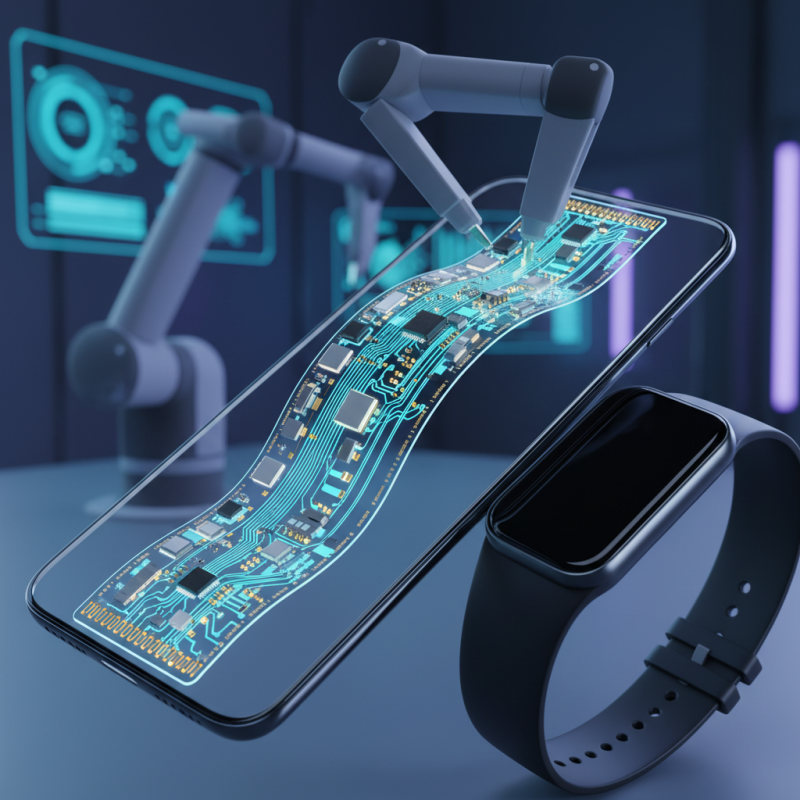
Benefits of Flexible PCBs: Enhanced Design Freedom and Compactness
Flexible printed circuit boards (PCBs) are redefining how modern electronics are designed. Their ability to bend and stretch allows for innovative product shapes that traditional rigid boards cannot achieve. In many cases, this could lead to smaller, lighter devices. According to a report by Research and Markets, the flexible PCB market is projected to grow at a CAGR of 13.1% from 2021 to 2026.
Enhanced design freedom permits engineers to create unique layouts. Unlike standard PCBs, flexible options can fit into tight spaces. This adaptability helps reduce component size and weight. Flexible PCBs can also withstand higher vibrations; they are ideal for wearables and IoT devices. These boards can be manufactured with various materials, giving teams versatile design options.
Compactness comes with its own challenges. While saving space, companies must carefully manage the thermal and electrical properties of components. There is a potential for increased costs in manufacturing due to complex designs. Achieving the right balance between flexibility and functionality can be difficult. More often, companies face difficulties in selecting appropriate materials. These nuances highlight the importance of expertise in flexible PCB design.
Improved Durability and Reliability in Diverse Environmental Conditions
Flexible PCBs are revolutionizing the electronics industry, especially in how they perform under varied conditions. Modern devices often face extreme temperatures and humidity. Flexible PCBs adapt well to these challenges, enhancing durability and reliability. For instance, in wearable technology, the flexibility allows them to withstand movement without cracking.
These PCBs are made from materials that resist mechanical stress. They maintain functionality despite bending or twisting. This makes them ideal for applications in automotive or aerospace electronics. Imagine a sensor in a car that keeps working even on bumpy roads. The durability of flexible PCBs plays a crucial role here.
Tip: When designing devices, consider how components will interact with their environment. Analyze potential stress points.
Durability is not just about materials; it involves thoughtful design. Even with flexible PCBs, improper layout can lead to failures. Designs must accommodate the unique stresses that bending introduces.
Tip: Test prototypes in real-world conditions. Check for performance under various environmental factors.
Ultimately, the reliability of flexible PCBs in diverse conditions enhances the overall functionality of modern electronics. By taking a careful approach to design and testing, manufacturers can benefit from these advanced circuit boards.
Weight Reduction: The Impact of Flexible PCBs on Device Portability
Flexible printed circuit boards (PCBs) play a crucial role in modern electronics. They significantly contribute to weight reduction. This is essential for portable devices. Lighter devices are easier to carry and use. Moreover, flexible PCBs reduce the overall bulk of electronic products. This makes them ideal for smartphones, wearables, and laptops.
Weight reduction affects usability greatly. A lighter product can enhance user experience. For instance, a thinner device fits better in pockets. Additionally, the integration of flexible PCBs allows for more compact designs. While this is a massive advantage, some engineers struggle with design complexity. Transitioning from traditional PCBs to flexible ones can be challenging. Engineers must consider the materials and layout intricately.
As devices become lighter, more features are incorporated. This could lead to overheating issues. Engineers need to find solutions to address this risk while maintaining lightness. The delicate balance between weight and performance is key. Overall, the impact of flexible PCBs on device portability opens new possibilities in the electronics landscape.
Cost-Effectiveness: Manufacturing Flexibility and Reduced Material Waste
Flexible printed circuit boards (PCBs) are changing the game in electronics manufacturing. One major advantage is cost-effectiveness. The production of flexible PCBs often requires less material compared to traditional rigid boards. A report from the IPC (Institute of Printed Circuits) highlights that flexible PCBs can reduce material waste by up to 30%. This statistic is significant in an industry where every cent counts.
Manufacturing flexibility is another critical factor. Creating complex designs on flexible boards becomes feasible with advanced technologies. Companies can produce smaller components, fitting into more compact devices. A study from the market research firm Grand View Research found that the global flexible PCB market is expected to reach USD 22 billion by 2030. This growth reflects the demand for innovative designs that traditional boards struggle to meet. However, achieving such efficiencies also poses challenges. Manufacturers must ensure quality while adapting to quick changes in consumer demands. Balancing speed and precision often requires constant reflection and adjustment.
Integration of Advanced Technologies: Flexible PCBs in Wearable Electronics
Flexible printed circuits (PCBs) are revolutionizing wearable electronics. Their lightweight nature and adaptability make them ideal for slim devices. According to a recent industry report, the global flexible PCB market is expected to reach $30 billion by 2025. This growth highlights their importance in modern technology.
Smartwatches, fitness trackers, and medical devices benefit greatly from flexible PCBs. These circuits can be bent and shaped around body contours without compromising function. This adaptability creates new design possibilities. Additionally, flexible PCBs can accommodate advanced features like sensors and wireless connectivity. They enhance user experience while maintaining device portability.
**Tip**: When designing with flexible PCBs, consider layering and material choice. This can impact durability and performance.
However, there are challenges. The manufacturing process can be complex and costly. Not all designs will fit standard production methods. Designers need to think creatively and remain open to adjustments.
**Tip**: Prototype extensively to catch potential issues early in the design phase. Testing different configurations before full-scale production can save time and resources.
Top 10 Benefits of Flexible PCBs in Modern Electronics

 Cosmetic Packaging
 Display Packaging
 CBD Packaging
 Retail Packaging
 Product Packaging
 Cigarette Packaging
 Candle Packaging
 Soap Packaging
 Chocolate Packaging
 Vape Packaging
 Food Packaging
 Window Packaging Boxes
 Gift Packaging
 Bakery Packaging Boxes
 Pizza Packaging
 Bottle Packaging
 Garments Packaging
 Custom Printed Bags
 Christmas Packaging
 Toy Packaging
 Cereal Packaging
 Jewelry Packaging
 Apparel Packaging
 Shipping Packaging
 Custom Pre Roll Boxes
 Dispenser packaging
 Eco Friendly Packaging
 Custom Health Packaging
 Pharmaceutical Packaging