2026 Best Bathroom Faucet China Trends You Should Know?
In recent years, bathroom design has evolved significantly, and the choice of fixtures plays a crucial role. Among various options, the "Bathroom Faucet China" market stands out, showcasing innovative trends for 2026. These faucets reflect a blend of style, functionality, and cultural influences, catering to diverse consumer preferences.
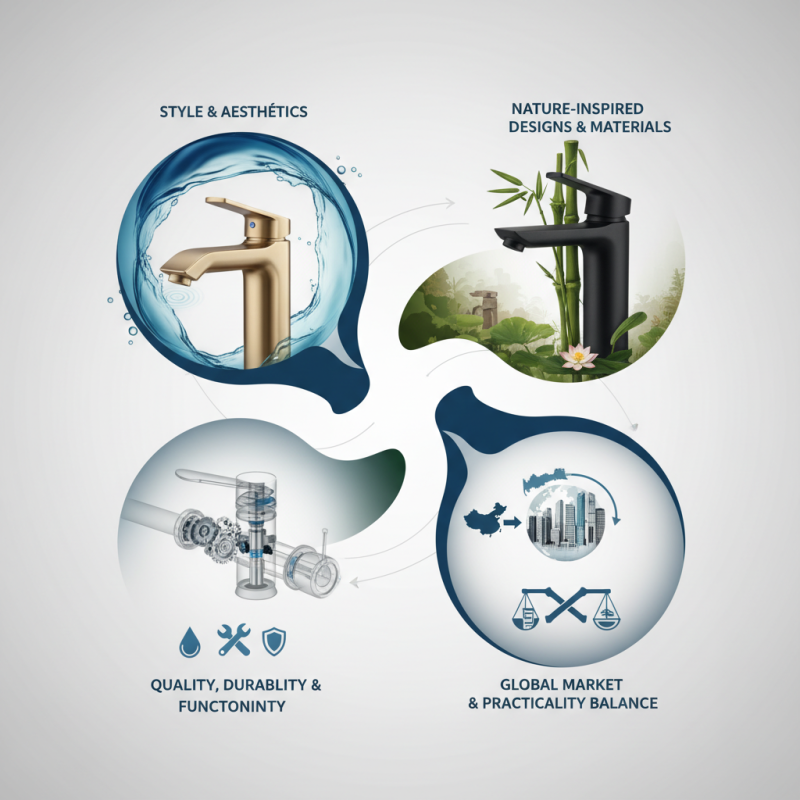
As we explore the latest trends, it’s essential to recognize the importance of quality and design. Faucets not only serve practical purposes but also enhance the overall aesthetic. The Chinese market offers unique materials and designs, often inspired by nature. This approach infuses a sense of tranquility into bathroom spaces, challenging conventional choices that focus strictly on functionality.
However, not all trends translate well across different markets. While some designs may resonate with international tastes, others may require rethinking. It’s vital for consumers to consider factors such as durability and ease of maintenance when selecting bathroom faucets. Additionally, balancing style with practicality can be a challenge. Understanding these dynamics will help potential buyers make informed decisions in a rapidly changing market.
Emerging Design Aesthetics in Bathroom Faucets for 2026
As we approach 2026, bathroom faucets are undergoing a transformation. Emerging design aesthetics focus on minimalism and organic shapes. Curved edges and soft lines will replace harsh geometries. This trend reflects a growing desire for serenity in personal spaces. Fixtures will blend seamlessly with modern or rustic decors.
Sustainability remains a key consideration. Many designs will incorporate eco-friendly materials. Brass and recycled metals are becoming more popular. However, not all products meet these standards yet. Consumers should remain vigilant, as manufacturers may prioritize aesthetics over sustainability.
Technology also plays a significant role. Smart faucets are gaining traction, with features like touchless operation. Yet, the user experience can vary, leading to frustration at times. It's essential to test these products before purchasing. Overall, 2026 promises exciting innovations in bathroom faucet design that harmoniously balance form and function.
Innovative Technologies Shaping Bathroom Faucets in China
In recent years, innovative technologies have significantly influenced bathroom faucets in China. Smart faucets, integrated with IoT, are becoming more common. According to a report by Market Research Future, the smart faucet market is expected to grow at a CAGR of over 12% between 2023 and 2028. These faucets often include features like touchless operation and automated temperature control, enhancing user experience and convenience.
Water conservation is another trend shaping faucet design. Many manufacturers are now focusing on water-saving technologies. The China Sustainable Water Management report highlights that faucets equipped with aerators can reduce water flow by up to 30%. This is crucial in addressing water scarcity concerns faced by many regions. However, the implementation of such technologies might not reach all consumers, leading to disparities in access to eco-friendly solutions.
User experience remains a focal point for designers. The integration of LED lights to indicate water temperature is gaining popularity. This feature is not only functional but also enhances the aesthetic appeal of bathrooms. Yet, high-tech solutions can sometimes complicate usability for older generations unfamiliar with modern devices. Balancing innovation with accessibility is essential for the market's future.
Sustainable Materials and Their Impact on Faucet Trends
The trend towards sustainable materials is reshaping the bathroom faucet industry in 2026. More manufacturers are focusing on eco-friendly options. These materials often include recycled metals and biodegradable plastics. Such choices reduce environmental impact and encourage responsible consumer behavior. People are becoming more conscious of their purchases. They want faucets that reflect their values, not just their style.
Sustainable faucets often come with a higher initial cost. However, they can lead to long-term savings, especially in water usage. Many eco-friendly designs integrate technologies that minimize waste. It requires a shift in perception; customers may hesitate at first. Adopting these faucets means investing in the future. This trend pushes manufacturers to innovate and improve.
The impact of these materials extends to aesthetics as well. Many sustainable options don't compromise on design or quality. Various finishes, colors, and shapes are available. Yet, the challenge is balancing style and sustainability. Some consumers remain unsure about the durability of new materials. This uncertainty can hinder wider acceptance. The evolution of bathroom faucets illustrates a broader movement towards sustainability in home design.
Key Manufacturing Practices Influencing Faucet Quality in 2026
In 2026, the bathroom faucet industry in China is witnessing shifts that directly affect faucet quality. Key manufacturing practices play a pivotal role in determining durability and performance. For instance, rigorous materials testing ensures resistance to corrosion and wear. According to a recent report from the China Plumbing Association, the use of lead-free materials has increased by 30%, promoting health and safety in modern faucets.
While new technologies like CAD and CNC machining enhance precision, they come with challenges. Increased automation can sometimes lead to inconsistencies in manufacturing processes. This point raises concerns about the balance between efficiency and quality. A human touch in certain stages may still be crucial to achieve optimal results.
Tip: Investing in quality control systems can help overcome these challenges. Regular audits and machine calibration ensure that manufacturing processes remain aligned with industry standards. In 2026, consumers should be aware of the importance of these practices in selecting reliable faucets. Quality assurance not only extends product life but also enhances user satisfaction.
Consumer Preferences and Market Demand for Bathroom Faucets in China
In 2026, China’s bathroom faucet market is significantly changing. Consumers are looking for faucets that blend functionality with modern aesthetics. The shift towards eco-friendly products is prominent. Many buyers prefer models that conserve water without compromising performance. Sustainable materials are also gaining traction.
Customization is another notable trend. Homeowners want faucets that reflect their unique style. This demand encourages manufacturers to offer a range of designs and finishes. However, some consumers feel overwhelmed by the variety. They often struggle to make the best choice. Education on product features is becoming essential.
Price remains a crucial factor. While many shoppers desire high-end options, affordability is key. Brands face the challenge of balancing quality with cost. Poor quality can deter buyers. Thus, manufacturers need to prioritize reliability along with innovation. Keeping consumer feedback in mind can guide future designs.
2026 Best Bathroom Faucet Trends in China
Consumer preferences and market demand for bathroom faucets in China based on recent survey data.

 Cosmetic Packaging
 Display Packaging
 CBD Packaging
 Retail Packaging
 Product Packaging
 Cigarette Packaging
 Candle Packaging
 Soap Packaging
 Chocolate Packaging
 Vape Packaging
 Food Packaging
 Window Packaging Boxes
 Gift Packaging
 Bakery Packaging Boxes
 Pizza Packaging
 Bottle Packaging
 Garments Packaging
 Custom Printed Bags
 Christmas Packaging
 Toy Packaging
 Cereal Packaging
 Jewelry Packaging
 Apparel Packaging
 Shipping Packaging
 Custom Pre Roll Boxes
 Dispenser packaging
 Eco Friendly Packaging
 Custom Health Packaging
 Pharmaceutical Packaging